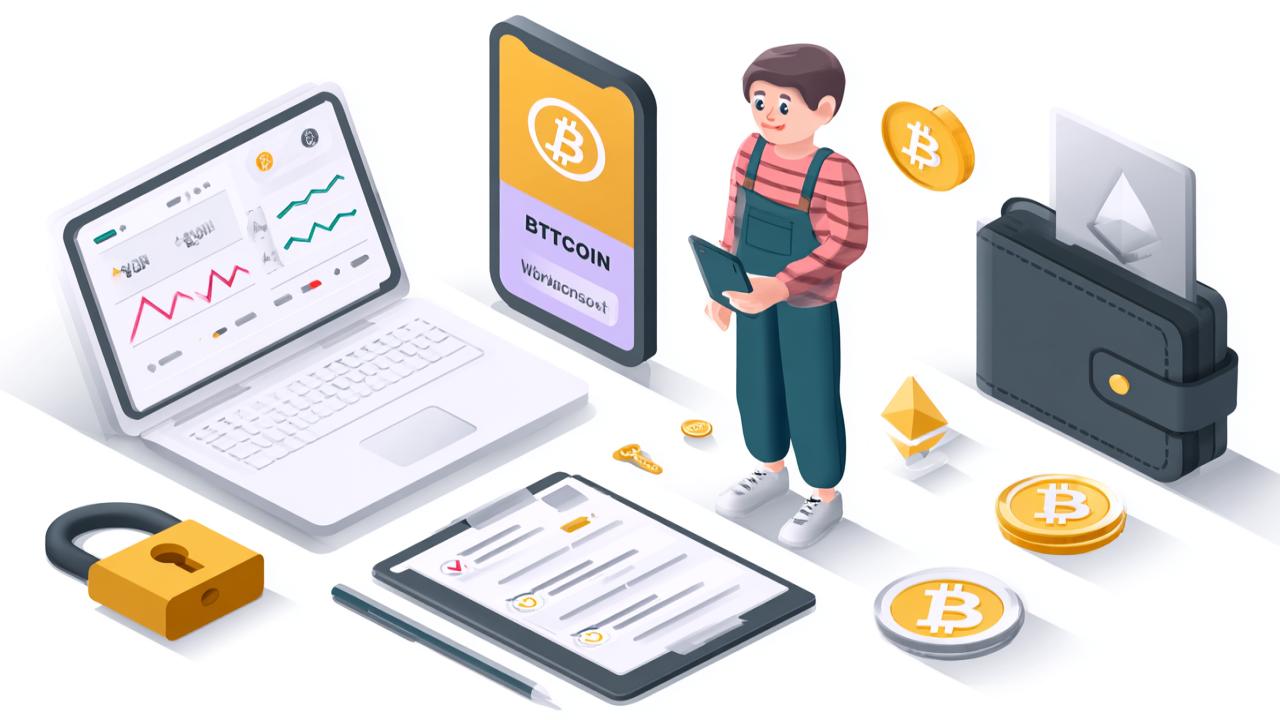
Top 10 Crypto Wallets for Beginners in 2025

As the world of cryptocurrency continues to evolve, having a reliable and user-friendly wallet is essential for beginners venturing into this dynamic space. In 2025, the landscape of crypto wallets has expanded significantly, offering a myriad of options that cater to varying needs and preferences. Understanding the fundamentals of crypto wallets, including their types and functionalities, is crucial for making an informed choice. This article aims to guide newcomers through the process of selecting the right wallet by examining key factors to consider, highlighting the top 10 crypto wallets available this year, and providing best practices for security. Additionally, we’ll explore how to set up and use your wallet effectively, as well as discuss future trends that may shape the way we manage our digital assets.

Understanding Crypto Wallets

So, let’s dive into what a crypto wallet actually is. A crypto wallet is basically a digital tool that helps you manage cryptocurrencies like Bitcoin or Ethereum. It’s important to note that these wallets don’t physically hold your coins, which can be a little confusing at first. Instead, your actual cryptocurrency lives on the blockchain, and you access it through something called a private key.

Your private key is like a secret password that proves you own your digital money and allows you to make transactions. Think of it as your personal access code to your virtual treasure chest! Without it, you won’t be able to touch your coins. A cryptocurrency wallet is essentially a software program that stores these keys, letting you access and manage your coins whenever you need to.

Now, there are different types of crypto wallets out there, and it’s good to know what they are. They can be categorized into custodial and non-custodial wallets, as well as software and hardware wallets. Software wallets are digital tools that run on your computer or smartphone, while hardware wallets are physical devices that keep your cryptographic keys safe from online threats.

Another thing to keep in mind is that crypto wallets can be either online (also known as hot wallets) or offline (cold wallets). Online wallets are super convenient for quick transactions, but they come with some risks. On the flip side, offline wallets offer better security since they’re not connected to the internet.

In short, a crypto wallet doesn’t store actual coins; it stores cryptographic keys that give you access to your digital currencies on the blockchain. They’re essential for managing your digital assets, allowing you to not just store but also interact with your cryptocurrencies. So, whether you’re looking to trade, hold, or just explore the crypto world, understanding these wallets is the first step!

“Having worked extensively in the cryptocurrency space, I can attest that understanding crypto wallets is foundational for anyone looking to engage in this digital economy. Many newcomers often overlook the importance of securing their private keys; without them, your digital assets are at risk. I’ve seen countless individuals lose access to their investments simply because they didn’t take the time to understand how wallets operate. It’s also essential to choose the right type of wallet for your needs—whether it be for daily transactions or long-term storage—each has its unique advantages and risks. As I always emphasize, the security of your private key should be your top priority; think of it as the key to your safe. Embracing both custodial and non-custodial options can provide a balanced approach to managing crypto assets. Furthermore, as the technology evolves, staying informed about wallet innovations is crucial in this fast-paced environment. Remember, a crypto wallet is not just a tool; it’s a gateway to the future of finance.”

Factors to Consider When Choosing a Wallet

So, you’re diving into the world of crypto and need a wallet? First off, let’s talk about security features. You really want to ensure your hard-earned crypto is safe, right? Look for wallets with strong security measures like two-factor authentication, backup options, and encryption. No one wants to wake up one day and realize their funds have vanished!

Next up, ease of use is super important. If you’re just starting out, you don’t want to be wrestling with a complicated interface. Find a wallet that’s user-friendly. It should feel intuitive, kinda like using your favorite app. A good wallet will help you navigate through the process without overwhelming you.

Don’t forget about compatibility! You’ll want a wallet that works with a variety of cryptocurrencies. Some wallets only support a few coins, while others are more versatile. If you’re planning to explore different tokens, it’s best to go for a wallet that gives you that flexibility.

Customer support is something you should keep in mind as well. If you run into issues or have questions, you want to make sure you can get help quickly. Look for wallets that offer good customer service, whether it’s live chat, email support, or a solid FAQ section. It’s all about peace of mind!

Lastly, think about your specific needs. Are you a casual user or a serious trader? Your wallet choice might differ based on how you plan to use it. Take a moment to consider what features are most important to you, and let that guide your decision. After all, choosing the right wallet can make your crypto journey a whole lot smoother!

“In my experience navigating the ever-evolving landscape of digital currencies, the choice of a wallet is paramount for both security and usability. I always emphasize that a good wallet should not only safeguard your assets but also align with your personal habits. Security features like two-factor authentication are non-negotiable, as they’re your first line of defense against potential threats. However, I’ve seen too many users get discouraged by complex interfaces; simplicity and ease of use cannot be overstated. It’s crucial to choose a wallet that feels second nature, allowing new users to engage with confidence. Compatibility across various cryptocurrencies is another aspect I advise people to prioritize, especially if they plan to diversify their portfolio. Coupled with responsive customer support, these elements create a seamless experience. Ultimately, understanding your own needs—whether casual or professional—will guide you to the wallet that best supports your journey in the crypto space. Remember, the right wallet can be a game changer for your financial endeavors!”

Top 10 Crypto Wallets for Beginners in 2025

Alright, let’s dive into the top 10 crypto wallets that are perfect for beginners in 2025. If you’re just starting out in the world of cryptocurrency, these wallets will make things super easy and secure for you!

First up, we have the Coinbase Wallet. It’s user-friendly and integrates seamlessly with the Coinbase exchange, which makes it ideal for beginners. You can easily manage your crypto assets without any hassle.

Next on the list is Zengo, which is often hailed as the best wallet specifically for newbies. Its user interface is straightforward, and it even offers an in-app support feature that helps you if you get stuck.

Then we have Exodus, which is recognized as the best overall crypto wallet for beginners as of September 2025. It’s got a sleek design, and you can manage multiple cryptocurrencies effortlessly.

For those looking for something a bit different, the Tangem Wallet is definitely a top contender. It’s a physical wallet, which means you can hold your crypto in a tangible form! Super cool, right?

Now, if you’re into Ethereum, you can’t go wrong with MetaMask. It’s the go-to choice for Ethereum users as it allows you to interact easily with decentralized applications (dApps).

For Solana fans out there, Phantom Wallet is the best wallet to store and manage your SOL tokens. It’s designed specifically for the Solana ecosystem, making it an excellent option.

Don’t forget about SafePal S1, which is included in our best wallets list. It’s a hardware wallet that provides great security options and is also quite budget-friendly!

If you prefer hardware wallets for enhanced security, the Ledger Nano X is a leader in this category. It’s perfect for those who want that extra layer of safety for their crypto assets.

Finally, we have Trust Wallet, which is one of the best mobile wallets for beginners. It’s super easy to use and supports a wide variety of cryptocurrencies.

There you go! These wallets have been tailored for beginners, so you can feel confident as you start your crypto journey in 2025!

As someone who has guided countless newcomers through their first steps in cryptocurrency, I can attest that the right wallet can make all the difference. In 2025, the range of options available for beginners is more diverse than ever, making it crucial to choose a wallet that aligns with your needs and experience level. I’ve found that user-friendly interfaces, like those in Coinbase and Zengo, significantly reduce the intimidation factor often associated with crypto. Security is paramount, and opting for hardware wallets like Ledger Nano X can provide peace of mind for those managing substantial assets. Each wallet on this list has been selected not only for its features but also for its ability to educate and empower users. Additionally, seamless integrations with exchanges and decentralized applications can enhance the overall experience for new users. The evolution of wallets reflects the growing recognition that accessibility and security must go hand-in-hand. Remember, your wallet is your gateway to the crypto world—choose wisely and enjoy the journey ahead. I’m excited to see how these tools will continue to evolve and support the growing community of crypto enthusiasts.

Wallet Security Best Practices

When it comes to crypto wallets, security is really your own responsibility, so it’s important to adopt some good practices to protect your hard-earned money. Think of it like locking the doors to your house; you want to make sure everything is secure!

First off, always use strong, complex, and long passwords. This is a biggie! A good password is your first line of defense, so avoid simple ones that can be easily guessed. You can also take it a step further by using a password manager to help generate and store unique passwords for you.

Another smart move is to enable two-factor authentication (2FA) on your wallet. It adds an extra layer of security, making it much harder for anyone to access your wallet without your consent. Trust me, this small step can make a big difference!

Now, let’s talk about where you keep your crypto. It’s best not to park your full balance in a hot wallet. Keep only what you need for near-term trades there and move any profits to a more secure location, like a hardware wallet.

If you’re using a desktop wallet, make sure you have strong encryption and keep your software updated regularly. Also, comprehensive malware protection is a must—consider it your digital shield!

It’s a good idea to do some research on your digital wallet provider before you commit. Look for ones that have a solid security track record—it’s worth it to know your funds are in good hands.

Don’t forget to secure your device and the app you use to access your wallet. Keep an eye on your transaction activity and exercise caution with every transaction. Regular monitoring can help you catch any suspicious activity early.

Finally, if you can, invest in a secure hardware wallet and store it in a safe spot, like a fireproof and waterproof safety deposit box. Always protect your digital wallet with a lock—be it a unique passcode, fingerprint scan, or facial ID. It’s like having the best security system for your crypto!

Setting Up Your Crypto Wallet

Setting up your crypto wallet might seem a bit daunting at first, but it’s really just a simple step-by-step process. First things first, you’ll want to select a software wallet app that fits your needs. There are plenty of options out there, so it’s worth taking a little time to see which one resonates with you.

Once you’ve got your wallet app picked out, it’s time to download it on your phone or computer. Most wallets have a user-friendly interface, so you shouldn’t have any trouble here. After the download is complete, the next step is to create an account. This usually just involves entering some basic information, which is pretty straightforward.

Now, here’s where things get serious: securing your private keys is crucial. Your private keys are like the keys to your digital safe, so make sure you keep them safe and sound. It’s also a good idea to back up your wallet’s recovery phrase. This phrase is your lifeline; if you ever lose access to your device, this is what’ll help you regain access to your wallet.

When you’re going through the setup, think about what type of wallet suits your needs best. You have options: software wallets offer convenience, paper wallets are great for offline storage, and hardware wallets give you that extra layer of security. Take your time to weigh the pros and cons of each type.

Remember, this setup process is just the beginning of your crypto journey. Make sure you familiarize yourself with the app. Once you’ve got everything set up, dive into the features it offers, and set yourself up for success!

“In my years of experience helping individuals navigate the crypto landscape, I’ve found that the key to successful wallet setup lies not only in the technical steps but in the mindset you bring to the process. Choose a wallet that reflects your needs, and don’t rush through the selection phase; each option has unique strengths that can enhance your security and convenience. When you download your wallet, treat it as the first step on a new journey—your approach can set the tone for your entire experience in the digital realm. Securing your private keys cannot be overstated; I’ve witnessed too many users lose their investments due to negligence in this area. Always back up your recovery phrase and store it in a secure, offline location—this is your insurance policy against unforeseen circumstances. As you explore your wallet’s features, remember that education is your greatest ally; the more you know, the more confidently you can navigate the crypto world. Above all, treat this setup as an empowering opportunity, not just a technical hurdle. In a landscape as volatile and rapidly evolving as crypto, a solid foundation will serve you well on your journey ahead.”

How to Use Your Crypto Wallet

Using a crypto wallet is pretty straightforward once you get the hang of it. Think of it like managing a digital bank account where you can track, send, and receive various cryptocurrencies. The first thing you need to know is how to send crypto. All you need is the recipient’s wallet address, and then you can open your wallet, pick the amount you want to send, and execute the transaction. Easy peasy!

When it comes to receiving cryptocurrencies, it’s just as simple. You can share your wallet address with the person sending you coins, and once they send it, you can see the transaction in your wallet. Most wallets will even let you track your transactions, so you’ll always know what’s happening with your digital assets.

Another cool feature of a crypto wallet is that it allows you to manage multiple cryptocurrencies all in one place. You won’t need separate wallets for Bitcoin, Ethereum, or any other coins you might have. This makes organization a breeze, and you’ll always know where your assets are.

Funding your wallet is also easy! You can transfer crypto from exchanges or other wallets, or you can even purchase directly through the wallet application itself. Just follow the prompts, and you’ll be all set.

If you’re managing a variety of digital assets, using multiple wallets can be a smart move for added security and organization. You can keep high-value assets in a more secure wallet while using another for daily transactions. This way, you can have peace of mind knowing your assets are protected.

Future Trends in Crypto Wallets

It’s pretty exciting to think about where crypto wallets are headed, right? One of the biggest trends we’re seeing is a massive focus on security features. As the crypto space evolves, so do the methods that hackers use. So, wallets are stepping up their game with advanced security protocols to keep our assets safe.

Another cool trend is the rise of AI-powered wallets. Imagine a wallet that not only stores your crypto but also offers personalized financial insights based on your spending habits. These wallets will use predictive analytics to help you make smarter decisions and even automate some of your investment management. How awesome would that be?

We’re also seeing seedless authentication become the norm. That means no more lengthy recovery phrases to memorize! Instead, wallets are finding simpler and more secure ways to verify our identities, making the whole process a lot more user-friendly.

Embedded wallets are another exciting development. These are wallets integrated directly into other platforms, allowing for seamless transactions without the hassle of switching apps. Imagine paying for something online without ever having to leave the site you’re on!

In addition to that, there’s a growing trend towards DeFi integrations and cross-chain capabilities. This means that wallets will not only support various cryptocurrencies but will also allow you to access decentralized finance services directly from your wallet. It’s like having your own financial hub in your pocket!

Oh, and let’s not forget about the emergence of smart contract wallets. These innovative wallets can execute transactions automatically based on pre-set conditions, which adds a whole new layer of convenience and functionality to managing your crypto.

Overall, the future of crypto wallets is shaping up to be super exciting, focusing on enhanced security, AI integration, interoperability, and collaboration across different platforms. It’s a thrilling time to be in the crypto space, and these trends are just the beginning!

As an expert who has spent years observing the evolution of crypto wallets, I can confidently say that we are on the brink of a transformative era. The advancements in security measures are crucial, not just for the safety of assets but for building user trust in a landscape often riddled with uncertainty. AI-powered wallets will redefine how we interact with our finances, providing insights that empower users to make informed decisions. The shift towards seedless authentication is long overdue; simplicity and security must go hand in hand to encourage wider adoption. Embedded wallets represent the future of seamless transactions, and I envision a world where payment friction becomes a thing of the past. The integration of DeFi services directly into wallets will revolutionize how individuals engage with finance, fostering greater accessibility. Smart contract wallets will undoubtedly streamline operations, offering users unparalleled convenience. We are witnessing the dawn of a new financial paradigm, and these innovations are merely the tip of the iceberg. It’s an exhilarating journey, and I’m thrilled to be a part of it.


Comments

54 responses to “Top 10 Crypto Wallets for Beginners in 2025”

  1. Sophie_Rivers Avatar
    Sophie_Rivers

    As a woman new to crypto, I’m wondering: for absolute beginners, which wallet from your top 10 would you recommend for secure long-term storage—one of the hardware wallets, or a non-custodial mobile wallet with strong backup/recovery features? Also, are there specific backup practices you’d suggest to avoid losing a seed phrase?

    1. Maya_Carter Avatar
      Maya_Carter

      As a woman who started in crypto a few years ago, I’d recommend a hardware wallet for secure long‑term storage — it’s the safest choice. For beginners, Ledger (Nano S Plus / Nano X) and Trezor (Model One / Model T) are the friendliest to set up and restore; Coldcard is excellent for Bitcoin-only users if you’re comfortable with a steeper learning curve. A non‑custodial mobile wallet (Trust Wallet, MetaMask, Exodus) is perfectly fine for daily use or small balances, but I wouldn’t rely on it alone for long-term cold storage.

      Backup practices to avoid losing your seed phrase:
      – Buy hardware only from official sources and set it up offline.
      – Write your 12/24 words on paper first, then transfer them to a metal backup (e.g., Billfodl, Cryptosteel) so they survive fire/water.
      – Make at least two physical backups and store them in separate secure locations (home safe, bank safe deposit box).
      – Never photograph, email, or store the seed digitally (no cloud, no phone screenshots).
      – Consider a passphrase (25th word) only after you fully understand how it works and have a secure, separate backup for that passphrase.
      – Test recovery by restoring the seed to a second device before moving large sums.
      – For extra security, look into Shamir backups or a multisig setup across multiple hardware devices.

      Also keep firmware up to date, never enter your seed on an internet‑connected device, and keep only spending amounts in a mobile wallet. If you tell me your budget and comfort level, I can recommend a specific model and a simple recovery plan.

  2. Maya Thompson Avatar
    Maya Thompson

    As a woman new to crypto, I found this roundup really helpful — clear, non-technical explanations and practical security tips. The comparison of wallets made choosing my first one much less intimidating, but I would have liked a deeper dive into mobile wallet privacy and a clearer breakdown of custodial vs. non-custodial pros and cons for beginners. Overall, a solid guide that made me feel confident to set up my first wallet.

  3. Maya Thompson Avatar
    Maya Thompson

    As a woman new to crypto, I found this roundup really helpful — it balances ease of use with security. The comparisons clarified why a non-custodial mobile wallet is a great starting point, while a hardware wallet should be the next step once you hold more value. One tip: follow the setup checklist and back up your seed phrase offline immediately. Thanks for practical, beginner-friendly guidance!

  4. Emily Navarro Avatar
    Emily Navarro

    As a woman who’s new to crypto, I found this guide clear and reassuring. The step-by-step setup instructions and side-by-side feature comparisons made choosing a wallet much less intimidating. I especially appreciated the security tips about seed phrase handling and hardware wallets — they’ve helped me decide to start with a cold wallet for larger holdings. I do wish the article included more on mobile wallet privacy settings and recovery options for non-technical users, but overall this is the most beginner-friendly roundup I’ve seen this year.

  5. Emma Clarke Avatar
    Emma Clarke

    As a woman new to crypto, I appreciated this clear, beginner-friendly guide. The side-by-side comparisons of wallets and the focus on security vs. usability helped me decide on a non-custodial mobile wallet. I would have liked a short onboarding checklist and a clearer note on safely storing seed phrases, but overall the article gave me the confidence to start.

  6. Sara_Morin Avatar
    Sara_Morin

    As a woman new to crypto, I’m wondering whether the guide recommends custodial wallets for absolute beginners or if I should set up a noncustodial wallet (and possibly a hardware cold wallet) from the start? Also, which wallets from the top 10 are best for mobile-only users?

    1. Emily_Ross Avatar
      Emily_Ross

      As a woman who started in crypto last year, I’d recommend this practical approach: custodial wallets (eg, an exchange wallet like Coinbase or Kraken) are fine for absolute beginners because they’re easy to recover and trade from — good for tiny amounts while you learn. But they hold your keys, so they’re not ideal for long‑term custody or full control.

      Noncustodial wallets (MetaMask, Trust Wallet, Exodus, Argent) give you ownership of your private keys and are better once you understand seed‑phrase backups. If you choose noncustodial, write your seed phrase on metal or paper, store it securely, and never share it.

      A hardware cold wallet (Ledger, Trezor) isn’t necessary on day one. I moved to a hardware wallet once my holdings were significant (personal threshold depends on your risk tolerance — many suggest considering it once you hold several hundred to a few thousand dollars). You can learn with a custodial wallet, practice transfers with a small amount to a noncustodial mobile wallet, then move larger balances to hardware.

      For mobile‑only users from the top‑10 style list, try:
      – Coinbase Wallet — very beginner friendly and links to Coinbase services.
      – MetaMask Mobile — broad dApp and DeFi support.
      – Trust Wallet — multi‑chain support and easy swaps.
      – Argent — excellent UX, built‑in social recovery options (no seed phrase mistakes).
      – Rainbow — great for Ethereum NFTs and simple UX.
      – Phantom — if you’re on Solana, it’s the go‑to mobile wallet.

      If you want a one‑sentence plan: start small on a custodial wallet to learn, set up a noncustodial mobile wallet and practice with tiny amounts, then move meaningful funds to a hardware wallet. Happy to suggest the best single wallet based on whether you mainly use Ethereum, Solana, or want the simplest mobile experience.

  7. emily_rivers Avatar
    emily_rivers

    I appreciated this roundup — very clear and beginner-friendly. As a UX writer and crypto newbie, I liked the emphasis on simplicity and seed-phrase safety. My top takeaway: choose a wallet with straightforward backup flows and optional hardware support. One suggestion: include more onboarding screenshots and a quick comparison of fees and fiat on‑ramp options. Overall, a solid primer that made me feel confident to set up my first wallet.

  8. Maya Thompson Avatar
    Maya Thompson

    As a woman new to crypto, I appreciated how this guide breaks down wallet types and prioritizes usability. The side-by-side comparisons and beginner-friendly tips made choosing my first wallet much easier. I do wish the hardware-wallet setup section included step-by-step screenshots, but overall it’s a clear, practical, and up-to-date resource for 2025.

  9. TomWalker89 Avatar
    TomWalker89

    As a man new to crypto, I appreciated this guide — it’s clear, practical, and security-focused. The 2025 picks matched what I needed: easy setup, solid recovery options, and an intuitive UX. My only addition would be a stronger note to try a hardware wallet once your holdings grow and to always enable 2FA on custodial apps. Overall, the best beginner-friendly roundup I’ve seen this year.

  10. Olivia Mendes Avatar
    Olivia Mendes

    As a woman who’s just started exploring crypto, this guide was exactly what I needed — clear, practical, and non-intimidating. I appreciated the step-by-step setup tips and the strong emphasis on protecting your seed phrase; after reading, I bought a hardware wallet and set up a simple non-custodial mobile wallet for everyday use. One extra tip for beginners: practice small transfers first and always enable 2FA on any custodial accounts. Thanks for making wallets approachable in 2025!

  11. As a woman new to crypto, I found this guide clear and practical. It helped me choose a simple non-custodial mobile wallet for everyday use and a hardware wallet for long-term holdings — the explanations about seed phrases and security steps were especially helpful. One tip I’d add for other beginners: pick a wallet with strong recovery options and do a small test transfer before moving larger amounts.

  12. Maya Thompson Avatar
    Maya Thompson

    As a woman new to crypto, I found this guide really helpful — clear, practical, and not intimidating. The comparisons and security tips made it easy for me to pick a mobile non-custodial wallet for everyday use and consider a hardware wallet for long-term holdings. I would have liked more detail on protecting seed phrases from phishing and on typical fees across different chains, but overall this is the best beginner roundup I’ve seen for 2025. Thanks!

  13. Hannah Lee Avatar
    Hannah Lee

    I’m a complete beginner and this guide made choosing a wallet much less intimidating. I appreciate that it balances ease-of-use with security — starting with a custodial app and later moving to a hardware wallet (like Ledger or Trezor) seems like a sensible path. A bit more emphasis on backing up seed phrases and enabling 2FA would improve it, but overall this is the clearest beginner-friendly list I’ve seen for 2025.

  14. LauraChen89 Avatar
    LauraChen89

    As a woman new to crypto, I appreciated the beginner-friendly wallet roundup — but I have a question: is getting a hardware wallet overkill if I expect to hold under $1,000 in crypto, or would it be better to start with a simple custodial app and upgrade later? Also, how crucial is backing up the seed phrase compared with using a secure password manager?

    1. MayaRivers Avatar
      MayaRivers

      Hi Laura — as a woman who started with under $1,000 in crypto, I’d say a hardware wallet isn’t necessary right away. For small amounts a reputable custodial app (with strong passwords and 2FA) or a well-reviewed noncustodial mobile wallet will give you convenience while you learn. Move larger holdings or long-term savings to a hardware wallet later, once you’re comfortable and your balance justifies the extra cost and safekeeping steps. About seed phrases: if you control the keys, the seed phrase is the single most important backup — treat it like cash. Don’t store it in cloud notes or plain text; write it down on paper or use a metal backup and keep copies in separate secure locations. A password manager is excellent for account passwords and 2FA recovery codes, but it’s safer not to store your seed phrase there unless you use an offline, well-encrypted vault and fully understand the risks. Start simple, prioritize backups and 2FA, and upgrade to hardware when it fits your risk tolerance and holdings.

  15. LauraChen89 Avatar
    LauraChen89

    As a woman new to crypto, I found this guide clear and practical — the wallet comparisons and setup tips made choosing a first wallet feel manageable. I would have liked a bit more detail on mobile wallet privacy settings, but overall this is an excellent starting point for beginners.

  16. emily_ross Avatar
    emily_ross

    As a woman new to crypto, I appreciated the beginner-friendly wallet roundup. Could you clarify which of the top 10 wallets you’d recommend for someone who wants both hardware-level security (Ledger/Trezor support) and simple seed recovery for NFTs and multi-chain tokens?

    1. sophie_nguyen Avatar
      sophie_nguyen

      Hi Emily — as a woman who’s used hardware wallets for a few years, my top recommendation for beginners wanting hardware-level security plus simple seed recovery is Ledger (Nano X or Stax) paired with friendly interfaces: MetaMask for EVM chains and Phantom or Solflare for Solana. Ledger keeps your private keys on the device while letting those wallets display NFTs and multi-chain tokens, so you get both security and usability.

      Trezor Model T is a strong alternative, but it often requires third-party wallets to show NFTs and some token types. Key things to check: make sure the wallets/apps support the chain’s derivation path (BIP39/BIP44 vs chain-specific paths), since mismatched derivations can complicate recovery; and confirm the hardware wallet officially integrates with the wallet app you plan to use.

      Practical steps: buy the hardware from the vendor, set it up offline, write the seed phrase on paper (store it offline), install MetaMask and Phantom and connect them to your Ledger, then test with a small transfer and an NFT view. Consider adding a passphrase only if you fully understand the risks. This setup gives strong hardware security while keeping seed recovery and NFT/multi-chain access straightforward for beginners.

  17. Ava Martinez Avatar
    Ava Martinez

    As a woman new to crypto, I appreciated this clear, UX-focused roundup — the explanations and step-by-step setup tips made choosing a wallet feel less intimidating. I would have liked a bit more on fiat on-ramps and recovery-phrase UX, but overall this was the most practical beginner guide I’ve seen for 2025.

  18. Hannah Park Avatar
    Hannah Park

    As a woman new to crypto, I’m curious: for beginners who only plan to hold small amounts and use DeFi occasionally, would you recommend starting with a mobile custodial wallet for convenience or investing in a hardware wallet right away for better security?

    1. Lena Morales Avatar
      Lena Morales

      Hi Hannah — as a fellow woman getting into crypto, I’d recommend starting with a non-custodial mobile wallet for convenience and control. It lets you own your keys without the hassle of a hardware device, which is perfect for small balances and occasional DeFi use. Choose a reputable wallet (MetaMask or Trust Wallet), back up your seed phrase offline, enable biometrics, and keep only a small “hot” amount there for interactions. If your holdings grow or you want maximum security, move the bulk to a hardware wallet (Ledger or Trezor) — many people make that switch once they routinely hold between $1,000 and $5,000 or more. Custodial mobile apps are easiest but carry counterparty risk, so only use them if you accept that trade-off. In short: start non-custodial and level up to hardware when your balance or comfort level requires stronger protection.

  19. Maya_Rivers Avatar
    Maya_Rivers

    As a woman new to crypto, I found the wallet comparisons really helpful — quick question: which of the top 10 wallets listed supports social/account recovery in 2025, and are mobile hot wallets still considered safe for small amounts compared to hardware wallets?

    1. Sophie_Lane Avatar
      Sophie_Lane

      Hi Maya_Rivers — good question. As another woman who’s been testing wallets this year, here’s a quick breakdown: wallets built around smart-contract accounts or MPC (keyless) tech tend to offer social/account recovery in 2025. Examples from your top-10 that do: Argent (smart-contract guardians/social recovery), ZenGo (MPC/keyless recovery options), and Gnosis Safe when configured with guardian/multisig recovery modules. Custodial services (e.g., an exchange-held wallet) will always have account recovery via the provider, while classic non-custodial hot wallets like MetaMask or Trust Wallet don’t provide built-in social recovery unless you layer a smart-wallet on top.
      Regarding safety: mobile hot wallets are fine for small, everyday amounts if you follow best practices — use official app stores, enable biometrics/PIN, keep your seed phrase offline, avoid suspicious links, and enable any available recovery or multisig features. For long-term or large holdings, a hardware wallet (Ledger, Trezor, or a hardware-backed MPC solution) is still the safer choice.

  20. Emily Clarke Avatar
    Emily Clarke

    As a woman who’s new to crypto, I appreciated the clear explanations and the emphasis on user-friendly wallets. The Top 10 list is a great starting point, but I’d like more practical guidance on setting up hardware wallets and securely storing recovery seeds—those steps still feel intimidating. A short comparison of transaction fees and backup strategies for custodial vs non‑custodial options would also help beginners choose. Overall, this guide made me feel more confident about getting started.

  21. emily_carter Avatar
    emily_carter

    As a woman new to crypto, could you clarify whether a custodial wallet is acceptable for managing small amounts while I learn, or should I invest in a hardware wallet right away for better security?

    1. sophia_mendez Avatar
      sophia_mendez

      As a woman getting started, I found a custodial wallet perfectly fine for small amounts while I learned — it’s convenient and usually offers account recovery if you lose access. Just be aware custodial means the provider controls your private keys, so there’s custodial risk (hacks, freezes, or policy issues). Best approach: use a reputable custodial or a well-known mobile non-custodial wallet to practice, enable strong passwords and 2FA, and keep only small sums there. When your holdings become significant or you want long-term security, move them to a hardware wallet and practice restoring the seed phrase first. That way you balance ease-of-use with safety as you gain confidence.

  22. emily.carter Avatar
    emily.carter

    As a woman who’s new to crypto, I found this guide really helpful — clear, practical, and not overwhelming. The hardware vs. software comparisons made it easy for me to decide on a Ledger for long-term storage and a mobile wallet for daily use. One improvement would be a short, prominent checklist on securing seed phrases and avoiding phishing; otherwise, excellent resource for beginners.

  23. Maya Thompson Avatar
    Maya Thompson

    As a woman just starting with crypto, I found this Top 10 guide extremely helpful — clear, practical, and not overwhelming. The side-by-side comparisons and setup tips made choosing my first wallet much easier. I especially appreciated the security advice (write down your seed phrase, enable 2FA, consider a hardware wallet for long-term holdings) and the notes on user-friendliness for beginners. One suggestion: add a short checklist for first-time setup and a simple explanation of transaction fees. Overall, a great starting point for newcomers.

  24. Emily Park Avatar
    Emily Park

    Hi, I’m Emily Park (she/her), a beginner exploring wallets in 2025. Could someone clarify whether the “Top 10” list focuses exclusively on non-custodial wallets, or does it include custodial/mobile exchange wallets as well?

    1. Sofia Martinez (she/her) Avatar
      Sofia Martinez (she/her)

      Hi Emily — short answer: the roundup includes both custodial (exchange/mobile) and non-custodial wallets, but it highlights non-custodial options as the preferred choice for beginners who want full control. The article flags which wallets are custodial vs. non-custodial and calls out trade-offs — custodial wallets (like exchange apps) are easier for quick buys and recovery, while non-custodial mobile and hardware wallets (e.g., MetaMask, Trust Wallet, Ledger/Trezor) give you sole control of your keys and better long-term security. My suggestion: start with a trusted custodial wallet for small amounts if you need convenience, then move to a non-custodial solution (and learn seed-phrase best practices) as you get comfortable. Happy to point you to the specific sections or wallet examples in the article if that helps.

  25. Maya Ellis Avatar
    Maya Ellis

    As a beginner and a woman stepping into crypto in 2025, I really appreciated the clear, non-technical explanations and the emphasis on security. The comparisons helped me choose a simple non-custodial wallet, and the backup tips gave me confidence to protect my seed phrase. A short setup video for hardware wallets would make the guide even more beginner-friendly, but overall this was practical and reassuring.

  26. Lena Torres Avatar
    Lena Torres

    I’m a total beginner and this guide was exactly what I needed — clear comparisons, practical setup tips, and a sensible security checklist. As a woman new to crypto, I appreciated the focus on user-friendliness and wallet recommendations that prioritize simplicity over flashy features. I wish there were a short checklist to help choose between custodial and non-custodial options, but overall this made me feel confident to pick my first wallet.

  27. Emily Chen Avatar
    Emily Chen

    As a woman just getting into crypto, I appreciated the clear, non-technical explanations—especially the emphasis on security and seed phrase backups. The hardware vs. software wallet pros and cons were balanced; I ended up choosing a mobile non-custodial wallet with strong UX. I do wish the article had included step-by-step setup screenshots and a simple explanation of social recovery for less tech-savvy users, but overall this is a very practical and reassuring guide for beginners.

  28. Rachel Kim Avatar
    Rachel Kim

    I’m a complete beginner getting into crypto—I’m a woman concerned about security. Should I prioritize a hardware (cold) wallet over user-friendly mobile wallets, even if hardware seems more complex? Also, which of the listed wallets offers the simplest recovery process for someone who isn’t tech-savvy?

    1. Maya Thompson Avatar
      Maya Thompson

      I’m a woman who started in crypto last year, and I understand the security worries. Hardware (cold) wallets like Ledger or Trezor are the safest choice for storing larger amounts because your private keys never touch an internet-connected device, but they do have a learning curve. For absolute ease-of-use while you learn, a reputable mobile wallet (Exodus, Trust Wallet) or a keyless/smart-recovery wallet (Argent, ZenGo) is fine for small sums and daily use. If you want the simplest recovery process without handling seed phrases, a custodial option like Coinbase (where they manage recovery) or a keyless wallet like ZenGo/Argent (social or biometric recovery) will be the most beginner-friendly. My practical approach: keep only spendable amounts in a mobile wallet, move long-term savings to a hardware wallet, and practice a test restore once when you set up any wallet. Buy hardware devices only from manufacturers or authorized resellers, write your seed phrase on a durable backup (ideally a metal plate), and never store it digitally. That balances security and convenience while you build confidence.

  29. Sophie Carter Avatar
    Sophie Carter

    As a woman new to crypto, I found this Top 10 roundup really helpful — especially the clear explanations of custodial vs. non-custodial wallets. The emphasis on usability and seed-phrase safety is spot on; for small day-to-day amounts I’ll stick with a reputable mobile wallet, but the article rightly recommends a hardware wallet for larger holdings. One suggestion: add a short checklist for setting up a wallet securely (backup, firmware updates, phishing awareness) — that would make it even more beginner-friendly.

  30. Emily Turner Avatar
    Emily Turner

    Great roundup — very informative. As a woman new to crypto who prefers using a mobile wallet, which of the top 10 would you recommend I start with if my priorities are simplicity and strong security? Also, are there any wallets on this list that offer built-in fiat onramps you’d trust for US residents?

    1. Laura Kim Avatar
      Laura Kim

      Emily — great question. I’m a woman who also started with mobile wallets, and for simplicity plus solid security I’d recommend starting with Coinbase Wallet or Argent. Coinbase Wallet is very beginner-friendly and ties into Coinbase’s onramps for easy USD purchases (convenient for US residents), while Argent gives a smooth non‑custodial UX with smart‑contract security and social recovery options. Rainbow is another simple, user‑friendly choice if you’re mostly on Ethereum. Many mobile wallets (MetaMask Mobile, Trust Wallet, etc.) offer built‑in fiat onramps via partners like MoonPay, Transak, or Wyre, but fees and KYC requirements differ — always check the provider before buying. Quick tips: start with a small test purchase, enable biometrics and a strong passcode, write your seed phrase on paper and store it offline, and move larger amounts to a hardware wallet (Ledger/Trezor) when you’re ready. If you tell me which chains or features you care about most, I can narrow the recommendation further.

  31. Ava Mitchell Avatar
    Ava Mitchell

    As a woman new to crypto, I found this guide clear and reassuring. The top-10 breakdown and setup tips made it easy to compare wallets and pick a simple non-custodial option. I’d like to see more visuals—step-by-step screenshots for setup and a short checklist for seed-phrase storage and fee comparisons. Overall, very helpful for beginners.

  32. Maya Carter Avatar
    Maya Carter

    As a woman new to crypto, I found this guide really helpful — the clear comparisons and setup steps made choosing a first wallet much less intimidating. I appreciate the focus on UX and security, though I’d like a deeper explanation of fee structures and when to use custodial vs. non-custodial wallets. For anyone starting out, try a reputable mobile wallet for day-to-day use and keep larger holdings in a hardware wallet.

  33. Sophie_Lane Avatar
    Sophie_Lane

    As a woman just starting with crypto, I’m wondering: which wallet from your top 10 do you recommend for someone who mainly wants to buy and store NFTs on mobile, and does the guide address how wallets handle gas-fee optimization for beginners?

    1. Maya_Techie Avatar
      Maya_Techie

      As a fellow woman getting into NFTs, I’d pick a mobile-first wallet that actually displays NFTs and supports cheap Layer‑2s. If you mainly buy Ethereum NFTs, Rainbow (clean NFT gallery + easy Polygon/Arbitrum access) or MetaMask Mobile (widely supported, can switch to L2s and adjust gas) are solid choices; for Solana NFTs, Phantom is the go-to. The guide does address gas-fee optimization for beginners — it explains using Layer‑2 networks and sidechains (Polygon/Arbitrum/zk/ Solana), choosing marketplaces that list L2 collections, and relying on wallets’ built-in fee suggestions or “slow/fast” options. Quick tips: fund the wallet on the cheaper network before buying, use marketplaces that support L2s, start with small purchases, and always back up your seed phrase. Tell me which chain or marketplace you’re eyeing and I’ll recommend the single best wallet from our top 10 for that use case.

  34. Emma Collins Avatar
    Emma Collins

    As a beginner and a woman exploring crypto for the first time, I found this Top 10 list really helpful. The clear comparisons and step‑by‑step setup guides made choosing between a mobile wallet for daily use and a hardware wallet for long‑term savings much easier, and the security tips convinced me to prioritize a hardware option for larger balances. I would have liked a concise recovery checklist and links to beginner‑friendly support, but overall this is the most practical starter guide I’ve seen in 2025.

  35. Samantha Blake Avatar
    Samantha Blake

    She found this roundup exactly what a beginner needs — clear, practical, and security-focused. The comparison between custodial mobile wallets and hardware options made choosing much easier, and the step-by-step setup tips demystified seed phrases. She would have liked a short, printable checklist for ongoing best practices, but overall it’s an excellent starting guide.

  36. SophieCarter Avatar
    SophieCarter

    As a woman new to crypto, I appreciated this clear roundup — it made choosing a wallet less intimidating. I started with a custodial mobile wallet for small trades, then moved to a hardware wallet for long-term savings because the added security was worth the learning curve. My advice to other beginners: prioritize ease of use and non-custodial control, back up your seed phrase offline, and practice a few small transfers before moving larger amounts.

  37. Emily Park Avatar
    Emily Park

    As a woman new to crypto, I appreciated how clearly this article explained wallet types and highlighted user-friendly options for beginners. I especially liked the practical setup tips and the emphasis on security—I’ll start with a trusted mobile wallet and later add a hardware one once I’m more confident.

  38. Emily Carter Avatar
    Emily Carter

    As a woman new to crypto, I found this guide really helpful—could you explain how a hardware wallet compares to a multi-sig mobile wallet for managing small, everyday transactions?

    1. Olivia Torres Avatar
      Olivia Torres

      Emily — as a fellow woman getting into crypto, I’d break it down like this: a hardware wallet (cold storage) is far more secure for storing meaningful amounts long-term, but it’s clunkier for daily use because you must connect/sign transactions physically. A multi-sig mobile wallet gives you stronger-than-normal hot-wallet security (e.g., 2-of-3 signatures) while keeping convenience for small, everyday payments. For everyday spending I’d keep only a small float in a mobile wallet (or a smart contract wallet like Argent/Gnosis Safe on mobile) and leave the bulk of funds on a hardware device; you can even make the hardware wallet one of the co-signers if you want extra protection. Also consider UX: mobile multi-sig is easier for quick payments and recovery flows, but it’s a bit more complex to set up and might incur slightly higher gas/tx costs depending on the chain. My rule of thumb: convenience + limited balance for daily use, hardware + backups for savings. If you want, tell me which chains/wallet apps you’re considering and I’ll suggest a concrete setup.

  39. Daniel Ortiz Avatar
    Daniel Ortiz

    He appreciated the clear comparisons and practical setup tips in this guide, especially the emphasis on hardware wallets and seed phrase safety. As a newcomer last year, he found the step-by-step walkthroughs and beginner-friendly rankings helped him choose a non-custodial wallet that balanced usability with security. He would add that active development and reliable mobile support are must-haves when deciding; overall, an excellent resource for anyone starting in crypto.

  40. Emily Rivera Avatar
    Emily Rivera

    As a woman new to crypto, I found this guide helpful — could you clarify whether any of the top 10 wallets offer built-in social recovery or multisig options for beginners who want an easier account recovery method?

    1. Samantha Lee Avatar
      Samantha Lee

      As a woman who’s used several beginner wallets, I can confirm: yes — some user-friendly wallets offer built-in social recovery or multisig, but they differ a lot in approach and trade-offs. Smart‑contract wallets like Argent (Ethereum) and wallets that use Web3Auth/Torus provide social‑recovery or guardian options aimed at newcomers, so you can recover access via trusted contacts or social logins instead of relying solely on a seed phrase. For multisig, Safe (formerly Gnosis Safe) is the go‑to solution and has become more approachable, but multisig usually adds setup and day‑to‑day complexity and is better suited for shared accounts or larger balances. Most standard mobile wallets (MetaMask mobile, Trust Wallet, Coinbase Wallet non‑custodial) don’t offer native social recovery. If ease of recovery is your priority, try Argent or a Web3Auth‑enabled wallet; if you want stronger joint control of funds, consider a simple 2‑of‑3 Safe multisig. Tell me which device or chain you’ll use and I can suggest specific options.

  41. Emily Carter Avatar
    Emily Carter

    As a woman new to crypto, I’m wondering which of the top 10 wallets you’d recommend for someone who mainly wants to securely hold Bitcoin but occasionally uses Ethereum-based DeFi — and does the article compare fees, staking support, and hardware wallet compatibility?

Leave a Reply