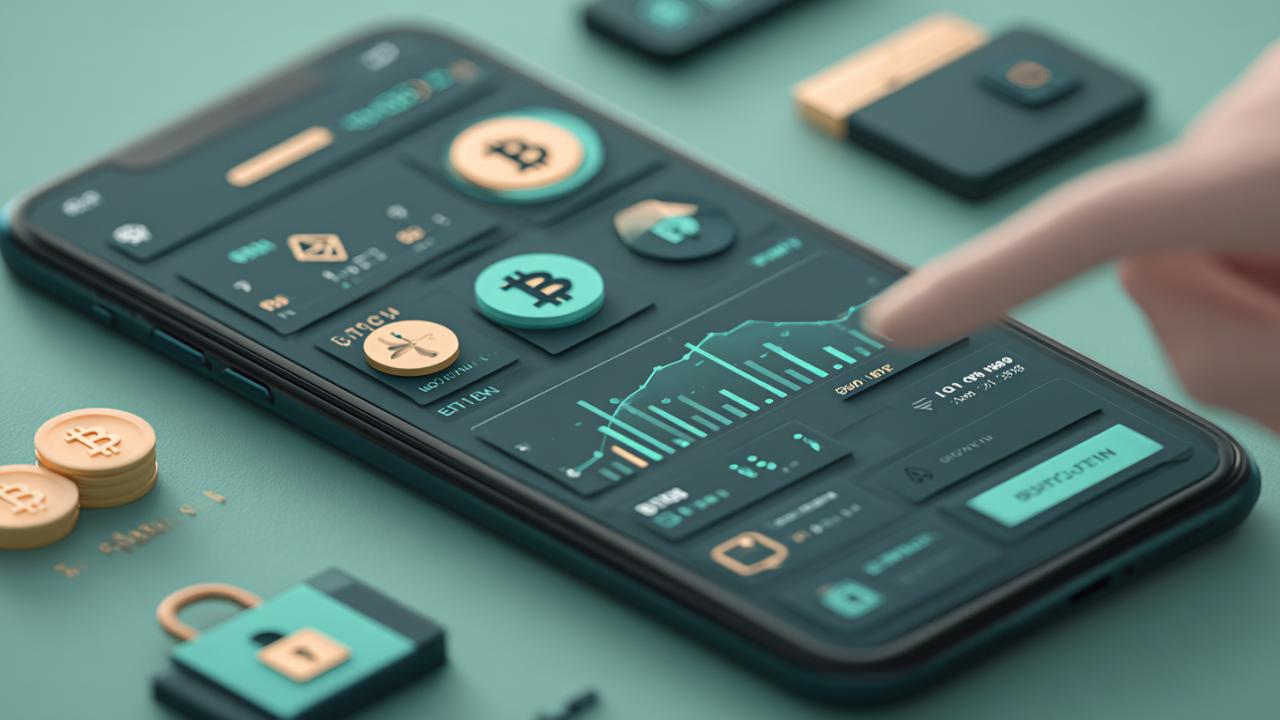
Multi-Currency Wallets: Managing Bitcoin, Ethereum, and Altcoins in One Place

In the rapidly evolving world of cryptocurrency, managing multiple digital assets can be a daunting task. Multi-currency wallets have emerged as a solution, allowing users to store, manage, and transact with various cryptocurrencies—including Bitcoin, Ethereum, and an array of altcoins—all in one convenient platform. This article aims to delve into the concept of multi-currency wallets, exploring their benefits, essential features, and the critical security considerations that every user should keep in mind. Additionally, we will provide a comparative analysis of popular options available in the market, guide you through the setup process, and discuss effective strategies for managing your cryptocurrency portfolio. Whether you’re a seasoned investor or a newcomer to the crypto space, understanding multi-currency wallets can significantly enhance your digital asset management experience.

Understanding Multi-Currency Wallets

So, let’s dive into what a multi-currency wallet actually is. Imagine it as your digital toolbox for managing various currencies all in one spot. Instead of juggling a bunch of wallets for Bitcoin, Ethereum, and other altcoins, you get to keep everything neatly organized in one place!

These wallets are super handy because they allow you to store, send, and receive multiple cryptocurrencies without the hassle of switching between different apps. It’s like having an online bank that caters to all your crypto needs. Plus, you can even hold local and foreign currencies! How cool is that?

One of the best things about multi-currency wallets is their versatility. They support a wide range of cryptocurrencies, which means you can manage your assets efficiently, regardless of where they come from. Whether you’re into Bitcoin or dabbling in lesser-known altcoins, this type of wallet has got you covered.

Think of it this way: if you’re traveling the world, a multi-currency wallet is like having a currency exchange booth in your pocket. You can easily convert your funds and make transactions involving different currencies seamlessly, no matter where you are!

In short, a multi-currency wallet is your one-stop-shop for all things crypto. It simplifies how you manage your digital assets and helps you stay organized, especially if you’re dealing with various currencies from different parts of the globe.

Benefits of Using Multi-Currency Wallets

One of the biggest perks of multi-currency wallets is the sheer convenience they offer. Imagine being able to store, manage, and transact with different cryptocurrencies all in one place—pretty neat, right? This means you can say goodbye to the hassle of juggling multiple wallets, which can be a real pain when you’re trying to keep track of your investments.

With everything in one wallet, managing your portfolio becomes a breeze. Whether you’re an investor, trader, or running a business, having everything organized can save you a ton of time and stress. You can easily see your assets, quickly check their values, and make informed decisions without hopping around from one app to another.

Multi-currency wallets also simplify transactions. If you’re someone who frequently makes exchanges, you’ll appreciate the faster transaction times. Instead of waiting around, you can get in and out of trades without that annoying wait. Plus, many of these wallets help you avoid those pesky extra fees that come along with currency conversions, which means more money in your pocket.

Another cool feature is that they provide better on-ramps for purchasing cryptocurrencies. If you’re new to the crypto world, this can be a game-changer, making it super easy to dive in. You can buy different digital currencies without jumping through a million hoops.

Lastly, for businesses that deal with multiple currencies, a multi-currency wallet can streamline your financial operations significantly. It’s all about efficiency and making your life easier, and these wallets definitely hit the mark.

As someone who has navigated the complexities of the cryptocurrency landscape for years, I can confidently say that multi-currency wallets are not just a convenience; they are a necessity. The ability to manage various digital assets from a single interface eliminates the chaos of multiple wallets and streamlines my investment strategy significantly. I’ve found that having a consolidated view of my portfolio allows me to react swiftly to market changes, enhancing my trading efficiency. Furthermore, the reduced transaction times can be a game changer, especially during volatile market conditions where every second counts. The cost savings from avoided conversion fees have also allowed me to reinvest more into promising assets. For newcomers, these wallets serve as an accessible entry point into cryptocurrencies, making the process of buying different coins straightforward and hassle-free. From my experience, businesses can reap substantial benefits too, as these wallets simplify currency management and improve operational efficiency. Ultimately, embracing a multi-currency wallet not only saves time but also provides peace of mind in managing diverse assets.

Key Features to Look for in a Multi-Currency Wallet

When you’re on the hunt for a multi-currency wallet, the first thing you want to check out is the security protocols. Trust me, you don’t want to take any chances with your funds. Look for features like multi-signature authentication, which adds an extra layer of security by requiring multiple approvals for transactions. This is particularly important if you’re dealing with larger amounts or if you’re sharing access with others.

Next up, consider the user interface. A user-friendly interface can make a world of difference, especially if you’re new to cryptocurrency. You’d want something that’s easy to navigate, with straightforward transaction processes. It should feel intuitive, so you aren’t scratching your head trying to figure out how to send or receive funds.

Then there’s the support for various assets and currencies. A good multi-currency wallet should allow you to manage not just Bitcoin and Ethereum, but also a variety of altcoins. The more options, the better, right? This flexibility means you can diversify your portfolio without needing multiple wallets.

Backup options are another critical feature. You want to ensure that you can easily back up your wallet to protect your funds. Check if the wallet allows you to create backup phrases or recovery keys. It’s like having an insurance policy for your assets—definitely a must-have!

Real-time currency conversion is a cool feature to look for as well. If you’re trading or frequently switching between currencies, having real-time rates can save you from potential losses. It’s super handy for making informed decisions on the fly.

Lastly, don’t overlook the importance of notifications and alerts. A good wallet will keep you updated on your transactions, price changes, or even market trends. These alerts can enhance your experience and help you manage your investments more effectively.

As a cryptocurrency analyst with years of experience evaluating digital wallets, I cannot emphasize enough the importance of thorough security features when selecting a multi-currency wallet. It’s not just about having a wallet; it’s about having a secure fortress for your assets. A user-friendly interface is equally crucial; I’ve noticed that many newcomers feel overwhelmed by complex designs, and simplicity often leads to better decision-making. Furthermore, the variety of supported currencies can significantly impact your investment strategy, so seek wallets that embrace diversity. Backup options should be non-negotiable, as losing access to your assets due to negligence can be devastating. Real-time currency conversion is a game changer for those actively trading, allowing for timely decisions that can enhance profitability. Lastly, I’ve found that alerts and notifications can play a pivotal role in staying informed and agile in a fast-paced market. Remember, a well-informed investor is a successful investor. Choose wisely, and safeguard your financial future.

Security Considerations for Multi-Currency Wallets

So, let’s talk about security for multi-currency wallets, because, let’s face it, these wallets can be a bit like a treasure chest; you want to keep your treasures safe! Since they handle various cryptocurrencies, they come with a higher security risk due to their compatibility with different networks. This means that while it’s super convenient to manage Bitcoin, Ethereum, and altcoins all in one place, you need to be extra vigilant.

First things first, choosing a wallet that uses strong encryption is a must. It’s like locking your front door with a heavy-duty deadbolt. But encryption alone isn’t enough; multi-signature authentication is another essential layer of security. This means that multiple signatures are needed to authorize transactions, making it harder for anyone to access your funds without your permission.

Implementing two-factor authentication (2FA) is also a great idea. It adds that extra layer of security, ensuring that even if someone gets hold of your password, they still can’t get into your wallet without that second piece of information. Think of it like needing both your key and a secret code to enter your house.

Moreover, advanced security measures like tokenization can be crucial for safeguarding your cryptocurrencies. It’s all about making sure that your assets are protected from potential threats. It’s wise to stick with reputable wallet providers, as they tend to prioritize security more than lesser-known options.

Another best practice is to regularly update your security features. Just like you wouldn’t want to live in a house with outdated locks, you shouldn’t keep your wallet’s security outdated either. Regular monitoring of your wallet activity is essential too; you want to be alert for any suspicious transactions that could indicate hacking attempts.

And remember, phishing attacks are real and can be pretty sneaky. Always be cautious about the links you click and the information you share. Keeping your wallet secure is all about being proactive and informed, so take those precautions and keep your crypto treasures safe!

Comparative Analysis of Popular Multi-Currency Wallets

When it comes to multi-currency wallets, there are a few big players in the game that you should definitely know about. In 2025, two standout options are Wise and Revolut, which both shine when it comes to saving on international transfers. These wallets not only allow you to hold multiple currencies but also offer great rates for conversions and transactions.

Let’s take a peek at the top contenders. Wise, YouTrip, and Revolut are commonly evaluated for their safety, rates, and features. Wise is particularly nifty because it acts like a digital wallet that lets you store, convert, send, and receive various currencies, including EUR, GBP, and CAD. This makes it super convenient whether you’re traveling or just handling international transactions.

Then we’ve got Revolut and Chimoney, which are also worth mentioning for their unique features. Revolut offers a solid user experience with a range of functionalities that can help you manage your funds effectively. It’s like having a financial Swiss army knife in your pocket!

Now, if you’re in Singapore, the evaluation of these digital multi-currency accounts can get really interesting. Wise, YouTrip, and Revolut all have their pros and cons, so it’s worth digging into what each offers to find the right fit for your needs.

Additionally, if you’re thinking about virtual cards, Airwallex and Wise come into play. They both have some attractive offerings regarding foreign exchange fees and other features that can make managing your multi-currency wallet a breeze. So whether you’re looking to send money abroad or just keep your funds in different currencies, these options are definitely worth considering.

In my experience analyzing multi-currency wallets, the competition between providers like Wise and Revolut truly showcases the dynamic nature of digital finance. Both platforms offer impressive features, yet they cater to slightly different user needs. Wise excels in providing transparent fee structures, which resonates with users who prioritize cost-effective solutions over flashy extras. On the other hand, Revolut elevates the user experience through its comprehensive suite of financial tools, appealing to those who seek versatility in their transactions. I have observed that the choice often boils down to individual preferences; travelers may gravitate toward Wise for its simplicity and efficiency, while tech-savvy users might prefer Revolut’s diverse functionalities. Additionally, regional factors can further influence the decision, especially in markets like Singapore where local partnerships may enhance usability. Ultimately, the right multi-currency wallet is not just about who offers the lowest exchange rates, but how well it aligns with your financial habits and lifestyle. As the digital wallet space evolves, staying abreast of these differences becomes crucial to making informed decisions that suit your needs.

How to Set Up a Multi-Currency Wallet

Setting up a multi-currency wallet is pretty straightforward, and I’ll guide you through it step by step. First things first, you need to choose what type of wallet you want—personal or business. This decision will help tailor the features you need.

Once you’ve made that choice, it’s time to download the wallet app. There are plenty of options out there, so pick one that suits your needs. After downloading, just follow the registration prompts to get your account set up. You’ll probably need to provide some basic information, so have that handy.

Once your wallet is created, you’ll want to link your existing cryptocurrency accounts. This could be an exchange or other wallets you have. This step is crucial as it allows you to manage all your assets in one place seamlessly.

Before you dive into using your wallet, make sure to implement robust security measures. You know, things like two-factor authentication and a strong password can go a long way in protecting your funds. Don’t skip this part—it’s super important!

Finally, take a moment to define your requirements and objectives clearly. Are you looking to trade frequently or just hold your assets? Understanding your goals will help you use your multi-currency wallet more effectively. Happy wallet setting up!

In my years of navigating the evolving landscape of cryptocurrencies, I’ve learned that setting up a multi-currency wallet is not just about convenience—it’s an essential strategy for maximizing your investment potential. Each wallet has unique features that cater to different user needs, and selecting the right one can significantly impact your experience. I’ve often experienced the frustration of losing track of assets across various platforms, so integrating everything into one wallet simplifies management immensely. Security is non-negotiable; I’ve seen too many individuals overlook this and suffer losses they could have avoided. Implementing two-factor authentication and being diligent with passwords has saved me from potential breaches time and again. Furthermore, having a clear objective for using your wallet can align your strategy with your financial goals. Whether you’re a trader or a long-term holder, understanding your direction enhances your wallet’s effectiveness. I encourage users to remain adaptable, as technology and regulations are always changing. A proactive approach in this dynamic environment is key to success. So, set up your wallet with intention, and let it work for you!

Managing Your Portfolio with a Multi-Currency Wallet

Managing your crypto investments can feel like juggling flaming torches sometimes, but a multi-currency wallet swoops in to save the day. Imagine having a dashboard that provides a complete snapshot of your portfolio’s value and performance all in one place. That’s what many modern wallets, like Exodus, offer. No more switching between different apps or platforms; everything you need is at your fingertips!

One of the coolest things about multi-currency wallets is how they simplify asset tracking. Whether you’re holding Bitcoin, Ethereum, or even fiat currencies, you can manage everything without the hassle of separate spreadsheets or apps. This not only saves time but also enhances your overall security. After all, the last thing you want is to expose your assets to unnecessary risks!

Using a mobile wallet that doubles as a portfolio tracker is a game-changer, too. When you’re on the go, you can keep an eye on your investments without missing a beat. This functionality makes portfolio management smooth and straightforward. You can check your balances, track your gains, and even set alerts for significant price changes, all from your pocket.

To effectively manage your portfolio in a multi-currency wallet, you’ll want to take advantage of features like investment tracking and currency exchange options. It’s all about optimizing your returns and making smart moves when necessary. With the right tools in place, you can ensure that your investments are not just sitting idle but working for you in the best possible way.

In my experience as a cryptocurrency portfolio manager, I’ve witnessed firsthand the transformative power of a multi-currency wallet. It’s not just about convenience; it’s about gaining control over your investment landscape. When you have diverse assets, the ability to manage them from a single dashboard can significantly reduce anxiety and enhance decision-making. I’ve seen clients thrive by using these wallets to monitor their portfolios in real-time, allowing them to make informed choices without delay. The integration of investment tracking features has been a game-changer; it empowers users to see trends and react swiftly. Moreover, enhanced security measures within these wallets protect against potential risks that come with managing multiple currencies separately. As markets shift, having a mobile wallet that enables quick access to your assets is essential for taking advantage of opportunities. Ultimately, a multi-currency wallet is not merely a tool; it is a critical ally in optimizing investment strategies and achieving financial goals. Without it, you may find yourself at a disadvantage in this fast-paced digital asset environment.


Comments

57 responses to “Multi-Currency Wallets: Managing Bitcoin, Ethereum, and Altcoins in One Place”

  1. Maya Patel Avatar
    Maya Patel

    As a woman working in fintech, I’ve relied on multi-currency wallets for years. They make managing Bitcoin, Ethereum, and dozens of altcoins far more convenient, but convenience can lull you into risky habits—prioritize a hardware wallet for large holdings, enable strong backups for your seed phrase, and choose wallets with open-source code or independent audits. Don’t be swayed only by a slick UI: check token support, swap fees, and recovery options. For safety, split funds between a hardware wallet for long-term storage and a mobile/desktop wallet for daily use, keep firmware and apps updated, and always verify addresses before sending. Overall these wallets simplify portfolio management, but treat your keys like the keys to a real bank.

  2. Maya Brooks Avatar
    Maya Brooks

    I’m a woman who’s been using multi-currency wallets for years, and I appreciate how they simplify managing Bitcoin, Ethereum, and dozens of altcoins in one interface. My advice: choose a wallet with strong seed backup, hardware integration, and a clear UX — I avoided costly mistakes by keeping large holdings on a hardware device and using a software wallet for everyday transactions. Newcomers should always prioritize security over flashy features.

  3. Sophie Martinez Avatar
    Sophie Martinez

    As a woman new to crypto, I’m grateful for this overview. Quick question: does storing multiple assets in one multi-currency wallet increase the risk that a single compromised private key would expose all my cryptocurrencies, and would it be safer to keep high-value coins in separate wallets or hardware devices?

    1. Maya Thompson Avatar
      Maya Thompson

      Great question, Sophie — and a very common concern. As a woman who’s managed several wallets, here’s the short version: if a multi-currency wallet uses a single seed/private key for all coins, then yes — a compromised seed or key can expose everything derived from it. Many popular multi-currency wallets are HD wallets that derive addresses for different coins from one seed, so the seed is the single point of failure.

      For safety: keep everyday, small-amount holdings in a convenient multi-currency (hot) wallet, but store large or long-term holdings in hardware wallets or cold storage. You can also split high-value assets across multiple wallets with different seeds, use a BIP39 passphrase (as an extra secret) or adopt multisig setups where possible, which reduces single-key risk. Lastly, always verify wallet firmware, keep secure, offline backups of seed phrases, and test restores on a spare device. That approach balances convenience with stronger protection for your biggest holdings.

  4. Hannah Brooks Avatar
    Hannah Brooks

    As a woman who’s been managing crypto since 2017, I found this article to be a clear and practical guide. Multi-currency wallets are a lifesaver for keeping Bitcoin, Ethereum, and my altcoins organized, but convenience shouldn’t trump security — use a hardware wallet or a wallet with strong seed backup, and enable additional protections like two-factor authentication and passphrases. Also prioritize open-source projects with active development, native token support, and a good track record before moving large balances.

  5. Ethan Brooks Avatar
    Ethan Brooks

    I switched to a multi-currency wallet six months ago and it made managing BTC, ETH, and my smaller altcoins so much simpler. The convenience of one seed phrase and a single interface outweighs juggling multiple apps, but make sure the wallet has strong security (hardware support, seed backup, and two-factor options). I also value clear transaction flows and intuitive asset labeling — they noticeably reduce mistakes when sending tokens. For anyone holding diverse coins, a reputable multi-currency wallet is worth it; just prioritize security and open-source transparency where possible.

  6. Emily Carter Avatar
    Emily Carter

    As a woman new to crypto, I’m concerned about seed phrase backups across multiple currencies — does a single recovery seed typically cover all supported coins in most multi-currency wallets, or do some wallets require separate backups per blockchain?

    1. Sophie Nguyen Avatar
      Sophie Nguyen

      I’m a woman who started in crypto recently, and here’s the short version: most non-custodial multi‑currency wallets that follow BIP39/BIP32 (the common HD standard) use a single recovery seed to derive keys for Bitcoin, Ethereum (and ERC‑20 tokens) and many altcoins — so one seed will usually restore all those accounts. However, there are important exceptions: coins that use completely different cryptography or wallet schemes (for example, Monero) often require a separate seed or special restore process, and some older or niche wallets may use nonstandard derivation paths. Hardware wallets like Ledger and Trezor generally use a single seed but pay attention to derivation path options in the companion app; custodial/exchange wallets do not give you a seed at all. Also beware of the optional BIP39 passphrase (a 25th word): if you add one, it effectively creates a separate wallet that won’t be recoverable without that passphrase. My practical advice: check the wallet’s documentation before trusting it, make an encrypted offline backup of the seed (and store any passphrase separately), and, if possible, do a test restore on a secondary device so you know exactly what the seed will recover.

  7. Claire Martin Avatar
    Claire Martin

    Great overview — thanks. Quick question: does the multi-currency wallet you recommend support hardware wallet integration (e.g., Ledger, Trezor) and full ERC-20/ERC-721 contract interactions, or will I need to add some tokens and NFTs manually? (she/her)

    1. Rachel Kim (she/her) Avatar
      Rachel Kim (she/her)

      Short answer: yes — many reputable multi-currency wallets do support hardware-wallet integration and full ERC-20/ERC-721 interactions, but the extent of that support varies by app.

      Wallets that act as Web3 interfaces (for example, MetaMask used together with a Ledger or Trezor) let you connect a hardware device and interact with smart contracts, add custom ERC‑20 tokens by contract address, and use dApps that manage ERC‑721 NFTs. Some native or custodial apps will automatically detect and send ERC‑20 tokens but offer limited contract interaction and NFT display, so you may need to add certain tokens or NFTs manually or view them through a marketplace/viewer.

      Quick practical tips:
      1) Check the wallet’s docs for “hardware wallet” and “Web3/dApp” support.
      2) To add a missing ERC‑20 token, copy its contract address from a block explorer (Etherscan) and add it as a custom token.
      3) For NFTs, some wallets show metadata in an NFT tab; others require you to view them via a marketplace (OpenSea) or add the contract manually.
      4) For signing transactions and contract calls, use a hardware wallet connected through a Web3-enabled wallet (Ledger + MetaMask is a common, secure combo) so private keys never leave the device.
      5) Always test with a small amount first and verify contract addresses before adding tokens.

      Tell me which wallet you had in mind and I’ll check its current hardware/NFT capabilities and give step-by-step guidance.

  8. Ava Clarke Avatar
    Ava Clarke

    She appreciates how multi-currency wallets simplify portfolio management — intuitive UIs, built-in swaps, and broad token support genuinely save time. However, she warns users not to trade convenience for security: enable hardware wallet integration when possible, use strong passphrases, and store seed phrases offline. For large holdings she still recommends a dedicated hardware wallet and separating hot and cold funds.

  9. As a woman who manages a diverse crypto portfolio, I find multi-currency wallets indispensable — they make it far easier to track Bitcoin, Ethereum and smaller altcoins without bouncing between apps. My top priorities are security and transparency, so I choose wallets that offer strong seed-phrase backup, hardware-wallet compatibility and clear open-source or audited code. That convenience is great, but it doesn’t replace good habits: keep recovery phrases offline, enable extra protections where available, and only trust wallets from reputable teams.

  10. SophieRae Avatar
    SophieRae

    As a woman who manages a diverse crypto portfolio, I find multi-currency wallets indispensable. They make it far easier to track Bitcoin, Ethereum, and smaller altcoins in one place, but security should always come first: pick a non-custodial wallet with strong seed backup, optional hardware support, and clear fee previews. I prefer open-source wallets with good UX and exportable histories — and I split holdings between a hardware wallet for long-term storage and a mobile app for everyday transactions.

  11. Maya Brooks Avatar
    Maya Brooks

    Maya Brooks (she/her) — I’m a long-time crypto user who stores BTC, ETH and a few altcoins in multi-currency wallets. I appreciate how they simplify asset management and reduce app clutter, but I strongly recommend moving large holdings to a hardware wallet, enabling 2FA, verifying seed phrases offline, and double-checking which tokens and chains a wallet truly supports. User-friendly interfaces and clear recovery options make a huge difference; this article gives a solid overview, though I’d like to see a deeper comparison of security trade-offs between popular wallets.

  12. Sophie_Rivera Avatar
    Sophie_Rivera

    I’m a woman new to crypto — does using a multi-currency wallet increase my exposure to hacks compared with maintaining separate wallets, and are recovery phrases truly universal across Bitcoin, Ethereum, and various altcoins?

    1. Maya_Turner Avatar
      Maya_Turner

      As a fellow woman new to crypto, I worried about the same thing. Short answer: a multi-currency wallet can concentrate risk (one compromise could expose many assets), but it doesn’t automatically make you more vulnerable if you choose the right type and follow good practices.

      Most reputable non-custodial multi-currency wallets derive all accounts from a single mnemonic (BIP39) and use coin-specific derivation paths (BIP44/BIP49/BIP84 or Ethereum’s path). That means a single recovery phrase will restore many—but not necessarily every—coin or wallet app because implementations and derivation paths can differ. Some altcoins or certain wallets use different seed formats or add a passphrase (an extra “25th word”), which affects compatibility.

      Practical tips:
      – Prefer a hardware wallet (Ledger/Trezor) for larger balances; they keep private keys offline.
      – Confirm a wallet’s coin support and how it handles seed derivation before migrating funds.
      – Back up your recovery phrase offline (paper/steel) and never store it digitally.
      – Consider using separate wallets/accounts for very large or long-term holdings.
      – Enable a passphrase or multisig where available, and test recovery with a small amount before moving everything.
      – If the wallet is custodial (exchange or hosted service), remember you’re trusting a third party—risk profile differs from non-custodial.

      If you tell me which wallet you’re looking at, I can check whether its recovery phrase and derivation paths are likely to restore all your coins.

  13. emily_ross Avatar
    emily_ross

    As a woman new to crypto, I’m wondering: does the article cover how multi-currency wallets handle smart-contract-based tokens (ERC-20, ERC-721, ERC-1155), particularly regarding token approvals and interaction safety?

    1. sarah_jensen Avatar
      sarah_jensen

      Hi Emily — short answer: yes, the article does cover how multi-currency wallets handle smart‑contract tokens and the safety issues around approvals and interactions. It explains the common ERC‑20 approve/transfer pattern, and how ERC‑721 and ERC‑1155 use approvals (including setApprovalForAll for operators, which can grant broad control over your NFTs). The piece also highlights risks like unlimited allowances, phishing dapps that request dangerous approvals, and malformed contract calls that can drain assets.

      Practical tips given: use wallets that show the calldata and target contract names before signing, limit allowances (or revoke them) rather than granting infinite approvals, prefer hardware-wallet confirmations for any contract interaction, and double‑check token contract addresses. The article mentions tools for auditing allowances and revoking approvals, and recommends using wallets that support token standards properly and display clear warnings for risky actions. If you want, I can summarize the step‑by‑step safe-approval workflow from the article (how to approve, how to revoke, and what to watch for) in one short checklist.

  14. Laura Bennett Avatar
    Laura Bennett

    As a woman who’s been managing crypto portfolios since 2017, I find multi-currency wallets invaluable. They make juggling Bitcoin, Ethereum, and dozens of altcoins far less stressful—especially when the wallet offers hardware-wallet integration, clear recovery procedures, and a clean, readable UI. My priorities are non-custodial control, strong encryption, and regular firmware updates; I always enable 2FA and keep backups offline. For newcomers, choose a wallet with a strong reputation and straightforward recovery; for experienced users, look for broad token support and staking options.

  15. Sophia Carter Avatar
    Sophia Carter

    As someone who manages a diverse crypto portfolio, I found this article clear and practical. Multi-currency wallets do simplify day-to-day management, but security has to come first — I keep larger holdings in a hardware wallet and use a trusted multi-currency app for smaller transactions. The points about UX and broad coin support were spot on; my only addition would be to emphasize open-source options and regular, offline backups of your seed phrase. Overall, a useful guide for both newcomers and seasoned users.

  16. Emily Carter Avatar
    Emily Carter

    As a woman who manages a diverse crypto portfolio daily, I found this article to be a clear, practical introduction to multi-currency wallets. It covers the essentials, but I wish it had more on UX differences (how wallets label assets, handle token discovery, and present transaction fees) and deeper comparisons of custodial vs. non-custodial security trade-offs. My advice: prefer wallets with hardware integration or multisig support, always test with a small amount first, and treat your seed phrase like the single point of failure it is.

  17. Maya Thompson Avatar
    Maya Thompson

    She’s used multi-currency wallets for over three years and finds them indispensable for managing Bitcoin, Ethereum, and numerous altcoins in one place. She values hardware-wallet integration, clear seed-phrase backup, open-source code, and multi‑sig support as top security features. Convenience is great—especially integrated swaps and a tidy UI—but she warns against custodial wallets unless you trust the provider. For most users, pairing a hardware wallet with a reputable multi-currency companion app gives the best balance of security and usability. In short: prioritize control of your keys, test your backups, and choose a wallet with strong security defaults rather than flashy extras.

  18. Claire Donovan Avatar
    Claire Donovan

    I’m a female investor new to altcoins — does a multi-currency wallet’s seed phrase backup automatically recover tokens issued on smart-contract platforms (like ERC-20 or BEP-20), or are there extra steps I should take to ensure all my altcoins are restorable?

    1. Maya Patel Avatar
      Maya Patel

      As a fellow female investor, short answer: usually yes — but with important caveats. A wallet’s seed phrase (mnemonic) recreates the private keys for the addresses derived from that seed, so ERC‑20 and BEP‑20 tokens tied to those addresses will be restorable if you restore the same seed into a wallet that (1) uses the same derivation path/account and (2) supports the target chain (Ethereum, BSC, etc.). Common issues: some wallets use different derivation paths or keep separate seeds per coin, tokens may not auto‑appear until you add the token contract address manually, and smart‑contract wallets (e.g., Gnosis Safe, Argent) or multisig setups often require extra recovery steps beyond a simple mnemonic. Also never forget any BIP39 passphrase (the optional 25th word) — without it the seed won’t recreate the same accounts. My checklist: note the wallet name/type, derivation path or account index, any passphrase, and the exact token contract addresses; when possible test a restore with a small amount first. If you’re unsure, restore the seed into a trusted wallet and verify balances on Etherscan/BSCScan rather than relying only on the UI.

  19. Olivia Chen Avatar
    Olivia Chen

    As a woman who’s been managing crypto for several years, I found this overview on multi-currency wallets really useful. Consolidating BTC, ETH and altcoins in one app is convenient, but I wish the article stressed hardware wallets, seed-phrase safety, and open-source wallet options more—those are non-negotiable for me. Also, always check token compatibility, fees, and the wallet’s recovery process before moving funds; a clean UI makes everyday management much easier.

  20. Laura Kim Avatar
    Laura Kim

    As a woman who manages several crypto portfolios, I find multi-currency wallets dramatically simplify my workflow. They let me keep Bitcoin, Ethereum and altcoins in one interface, which reduces the chance of sending funds to the wrong address and makes portfolio rebalancing far easier. That said, security should be the deciding factor: I always choose wallets with hardware-wallet support, strong seed-phrase backups and audited code. For newcomers, pick a well-known option, enable two-factor authentication where available, and move large holdings to a cold wallet. Multi-currency wallets offer great convenience, but never trade that for lax security.

  21. Daniel Reed Avatar
    Daniel Reed

    He found the guide on multi-currency wallets very useful — clear on benefits and security trade-offs. He especially appreciated the practical tips about using hardware wallets for large holdings and verifying token contract addresses before adding altcoins. He would like a short beginner’s checklist on backups, seed storage, and when to choose custodial vs self-custody.

  22. As a woman who has managed crypto portfolios for years, I found this article clear and practical. The emphasis on security features—seed phrase backups, hardware-wallet compatibility, and strong PIN/biometric protection—was especially useful. I would have liked a brief comparison of fees and token support between popular wallets, but overall this is a solid primer for anyone moving from single-coin wallets to a multi-currency setup.

  23. Laura Nguyen Avatar
    Laura Nguyen

    I’m a woman managing several tokens and appreciated the overview — do multi-currency wallets typically use a single seed phrase for all supported coins, or do some still require separate private keys per asset?

    1. Sofia Martinez Avatar
      Sofia Martinez

      As a woman who also manages multiple tokens, here’s the short version: most modern multi‑currency wallets are hierarchical deterministic (HD) wallets that use a single seed phrase (e.g., BIP39) to derive separate private keys for each coin/account. In practice that means one backup (the seed) can regenerate the different Bitcoin, Ethereum, and many altcoin keys—wallets just use different derivation paths (BTC vs ETH use different paths) under the same seed.

      That said, there are important exceptions: some legacy or niche wallets may still use independent keys/seeds for certain assets; custodial services don’t give you keys at all; certain blockchains or smart‑contract wallets use different key-management schemes; and some users intentionally keep separate seeds (or use the BIP39 passphrase feature) for extra isolation.

      So check the wallet’s docs to confirm how it manages derivation, always back up your seed (and any passphrase) securely, and consider using a separate wallet/hardware device for very large holdings if you want extra separation.

  24. Olivia Carter Avatar
    Olivia Carter

    Olivia Carter has been using multi-currency wallets for years; she appreciates how convenient it is to manage Bitcoin, Ethereum, and a range of altcoins in one interface. For her, the most important factors are strong backup/recovery options, hardware-wallet compatibility, and clear fee transparency. She advises newcomers to enable two-factor authentication, keep seed phrases offline, and always test small transfers before moving large amounts. Overall, she finds that a well-designed multi-currency wallet simplifies portfolio management without sacrificing security, provided users pick reputable providers and follow basic safety practices.

  25. SarahMorris Avatar
    SarahMorris

    She found the article very helpful — multi-currency wallets do make managing Bitcoin, Ethereum, and altcoins much easier. As a long-time hobbyist, she values strong security features (hardware-wallet compatibility, seed-phrase backups, and optional multi-sig), a clear UX, and broad token support. The article might have spent a bit more time on the custodial vs non-custodial trade-offs and the costs of in-app swaps, but overall she agrees: pick a reputable, audited wallet and keep your private keys offline to stay safe.

  26. emily.ross Avatar
    emily.ross

    As a woman who manages a diverse crypto portfolio, I appreciated this article’s clear breakdown of multi-currency wallets. The security tips were practical—especially the emphasis on hardware wallets and seed phrase hygiene. I would like to see more detail on token discovery, DeFi approval management, and how wallets handle cross-chain swaps and fee structures. Overall, it’s a solid primer for newcomers and a useful checklist for experienced users.

  27. Sofia Martinez Avatar
    Sofia Martinez

    As a woman in crypto, I appreciate how multi-currency wallets simplify portfolio management, but convenience shouldn’t replace caution. I always keep large holdings in a hardware wallet, enable all available security features (pin, passphrase, 2FA), and choose wallets with clear recovery options and open-source code or reputable audits. Before committing, check coin support, fee structure, and UX — a confusing interface is how mistakes happen. Overall, a good multi-currency wallet makes day-to-day management easier, but security practices still matter most.

  28. Sophie Mitchell Avatar
    Sophie Mitchell

    I’m a female crypto newbie—could you clarify whether multi-currency wallets require managing separate private keys for assets on different chains (e.g., ERC-20 vs BEP-20), or do wallets abstract that so I can send tokens across networks safely from one interface?

    1. Maya Rivera Avatar
      Maya Rivera

      Hi Sophie — as a woman who uses multi-currency wallets, I’ll clarify this: most non-custodial multi-currency wallets derive keys from a single seed (BIP39) but use different derivation paths and address formats per chain. For EVM-compatible chains (Ethereum, BSC, etc.) the same private key/address format is typically used, so an ERC-20 token and its BEP-20 counterpart share the same address style — however, they exist on different networks. Wallets abstract key management in the UI and let you pick the network to send on, but they do NOT automatically move tokens between chains. To transfer value across chains you need a bridge or an exchange; sending a token on the wrong network can fail or make recovery difficult. If you use a custodial wallet, the provider holds the keys and may handle cross-chain swaps internally. Quick safety tips: always check the selected network, verify token contract addresses, do a small test transfer, and consider a hardware wallet for large holdings.

  29. Olivia Morgan Avatar
    Olivia Morgan

    As a woman who manages multiple coins, I found the security tips helpful — does the article explain whether these multi-currency wallets support hardware-wallet integration and native cross-chain swaps (or would I need separate tools to move assets between different blockchains)?

    1. Maya Brooks Avatar
      Maya Brooks

      As a fellow woman managing multiple coins, I can confirm both scenarios happen depending on the wallet. Many reputable multi‑currency wallets do support hardware‑wallet integration (Ledger and Trezor are the most common) either natively or via connectors like Ledger Live, WebUSB, or third‑party integrations — that gives you the private‑key security of a hardware device while still managing many assets in one UI.

      Native cross‑chain swaps are less common and more complicated. Some wallets include in‑app “swap” features that route trades through swap providers or DEX aggregators (1inch, SimpleSwap, Changelly), which work well for tokens on the same or compatible chains. True trustless cross‑chain swaps (no wrapping or custodial step) are still limited; you’ll often need a bridge (Thorchain, Liquality, Connext) or use a centralized exchange to move value between fundamentally different chains.

      My practical advice: (1) verify hardware compatibility for each coin you hold, (2) check whether the wallet’s swap feature uses a trusted provider and compare fees/price slippage, (3) use a hardware wallet for large balances, and (4) test transfers with small amounts first if you need to bridge chains. If you tell me which wallet and which coins you’re using, I can give more specific guidance.

  30. Sophie Lin Avatar
    Sophie Lin

    I switched to a multi-currency wallet last year and it made managing BTC, ETH and dozens of altcoins far less chaotic — everything is in one place and the UI saved me from endless address juggling. My top tips: use a hardware-backed wallet or enable strong seed backups and 2FA, always verify token compatibility before sending, and keep most funds in cold storage while using a smaller hot wallet for regular transactions. (she/her)

  31. Daniel Ortiz Avatar
    Daniel Ortiz

    As a man who’s been using crypto for years, I agree that multi-currency wallets are a game-changer. They truly simplify managing BTC, ETH, and a wide range of altcoins in one place — but security must come first. Pick wallets with strong seed/passphrase protections, hardware-wallet compatibility or a clear recovery workflow, and an intuitive UI. My routine: keep the bulk of my holdings in a hardware wallet, use a reputable software wallet for daily swaps, and enable multi-sig or two-factor protections when available. Done right, these wallets make portfolio management far less stressful.

  32. Emily Carter Avatar
    Emily Carter

    As a UX designer and long-time crypto user, I appreciate multi-currency wallets for consolidating BTC, ETH and tokens under one clean interface — they make portfolio tracking and on‑chain swaps much smoother. That said, not all wallets are equal: prioritize non‑custodial options with hardware-wallet support, clear seed-phrase recovery flows, and broad token compatibility; a confusing UI or weak backup options is an instant dealbreaker for me. When security and usability align, multi-currency wallets genuinely improve the everyday experience of managing crypto.

  33. Sophie Grant Avatar
    Sophie Grant

    I’m Sophie (she/her). Does the article cover whether these multi-currency wallets support native staking for Ethereum (post-merge) and secure cross-chain swaps without relying on third-party bridges?

    1. Hannah Brooks Avatar
      Hannah Brooks

      Hi Sophie — short answer: the article touches on both topics but doesn’t fully deep‑dive into post‑merge staking mechanics or the nuances of trustless cross‑chain swaps. It explains that some non‑custodial multi‑currency wallets now offer native ETH staking by integrating with validators or liquid‑staking providers, while custodial wallets provide easier one‑click staking but require you to cede key control. For cross‑chain swaps the piece notes that many wallets offer in‑app swaps via DEX aggregators or bridge protocols; truly trustless, bridge‑free cross‑chain swaps (atomic swaps or dedicated cross‑chain settlement layers) are still uncommon, so most in‑wallet swaps carry smart‑contract or protocol risk. My recommendation: check each wallet’s staking model (non‑custodial validator vs. custodial provider), whether staking rewards are on‑chain or through liquid‑stake tokens, review audits and security docs, and always test swaps with small amounts before moving larger funds. The article points you to these decision criteria and suggests consulting wallet docs for specifics.

  34. Liam Carter Avatar
    Liam Carter

    He thinks multi-currency wallets are a huge step forward — they simplify portfolio management and reduce friction between assets, but he warns users not to sacrifice security for convenience. He recommends a non-custodial wallet combined with a hardware backup for significant holdings, while keeping smaller amounts in a mobile app for day-to-day use. Overall, he believes the right multi-currency wallet makes crypto less intimidating and helps investors stay organized.

  35. Emily Ross Avatar
    Emily Ross

    As a woman who manages multiple crypto portfolios, I found this article spot on. Multi-currency wallets make tracking Bitcoin, Ethereum and altcoins much easier, but security needs to come first. I keep large holdings in a hardware wallet, use software wallets only for day-to-day transactions, and always verify token compatibility and contract addresses before interacting. Back up your seed phrase offline, use a strong passphrase, prefer open-source wallets with audits, and enable any available extra security layers. Convenience is excellent, but disciplined wallet choice and habits prevent costly mistakes.

  36. Laura Kim Avatar
    Laura Kim

    As a woman who’s managed crypto portfolios for years, I find multi-currency wallets indispensable for everyday convenience, but they require disciplined security practices. I prefer wallets that are open-source, support hardware-wallet integration and tokens across chains, and have a clear UX for approvals and swaps. Never keep large sums in a hot wallet—use a hardware wallet or multisig for long-term storage and always test new transactions with small amounts first. A well-designed multi-currency wallet can simplify managing Bitcoin, Ethereum and altcoins, but choose one with strong security and transparent development.

  37. Maya Thompson Avatar
    Maya Thompson

    As a woman who manages a mixed crypto portfolio, I appreciate how multi-currency wallets simplify tracking Bitcoin, Ethereum, and many altcoins in one place. The article rightly highlights UX and security, but I’d stress using a hardware wallet for significant holdings, enabling strong 2FA where available, and verifying token compatibility before sending funds. For newcomers, choose a wallet with a clear recovery-seed workflow and an active community — convenience is great, but it mustn’t come at the expense of safety.

  38. Laura Bennett (she/her) Avatar
    Laura Bennett (she/her)

    Great overview—thanks! Quick question: do most multi-currency wallets derive all supported coins from a single HD seed, or do some popular wallets still require separate seeds/private keys per chain (for example, certain altcoins)? Also, are hardware-wallet integrations equally secure for less common tokens?

    1. Sofia Morales Avatar
      Sofia Morales

      Great question, Laura — short answer: most modern multi‑currency wallets do derive many supported coins from a single HD seed (BIP39/BIP32 with coin‑specific derivation paths such as BIP44/BIP49/BIP84). That covers Bitcoin, Ethereum (and its ERC‑20 tokens via the same ETH key), and a lot of popular altcoins. Exceptions exist: some legacy or niche coins use nonstandard derivation/address schemes or never adopted the BIP standards, so certain wallets either store separate private keys or implement special handling for those chains. As for hardware wallets, the private keys remain on the device so they’re generally just as secure for less common tokens — provided the hardware wallet and the host app both support the token/chain correctly. The main risks are (a) unsupported tokens that require third‑party bridge apps, and (b) mismatched derivation paths between software and device, which can hide funds until the correct path is used. Practical tips: check the wallet’s documentation for BIP39/44 support and explicit coin support, prefer open‑source or well‑audited integrations, test with a small amount first, enable a passphrase (25th word) if available, and keep firmware/software up to date.

  39. Alex Morgan Avatar
    Alex Morgan

    As someone who manages multiple coins, I think multi-currency wallets are a huge time-saver. I appreciate wallets that prioritize non-custodial security (hardware support and encrypted seed backups), offer a clear UI for switching chains, and support a wide range of tokens. My advice: store long-term holdings in a hardware wallet, enable all available security features, prefer wallets with open-source code and active audits, and be cautious with built-in exchange services since they increase the attack surface. Overall, a well-designed multi-currency wallet makes portfolio management much less stressful.

  40. Ethan Morales Avatar
    Ethan Morales

    As a long-time crypto user, he asks: does a multi-currency wallet typically support native atomic swaps between chains, or does it rely on custodial/exchange integrations? Also, how are hardware wallet integrations and seed backups handled across Bitcoin, Ethereum, and assorted altcoins?

    1. Maya Chen Avatar
      Maya Chen

      I’m a woman who’s used and built wallets for years — short answer: most multi‑currency wallets do not offer true native atomic swaps across arbitrary chains. Atomic swaps are possible between chains that support compatible HTLCs (Bitcoin‑like chains, some LTC/BSV pairs) or via specialized cross‑chain protocols (Thorchain, Komodo, AtomicDEX), but broad BTC↔ETH native swaps are rare because of different smart‑contract models; instead wallets usually offer in‑app swaps via custodial/exchange integrations or non‑custodial swap providers/bridges and DEX aggregators. Hardware wallet support is strong (Ledger, Trezor) — apps like Ledger Live, Trezor Suite, MetaMask, Electrum, or Exodus act as the UI while the hardware signs transactions offline. Seed/backup handling commonly uses a single HD seed (BIP39/BIP32/BIP44) that can derive keys for many coins, so one recovery phrase often restores BTC, ETH and most ERC‑20 tokens, but some altcoins use different derivation paths or even different seed schemes (e.g., Monero, some legacy wallets), so always check derivation path compatibility. Practical tips: verify which swap providers a wallet uses (custodial vs non‑custodial), confirm hardware wallet and derivation path support for each coin, test recovery with a small amount, enable a BIP39 passphrase if you need extra protection, and keep multiple secure offline backups of your seed.

  41. Maya Thompson Avatar
    Maya Thompson

    As a woman who’s managed a diverse crypto portfolio for years, I appreciate how this article breaks down multi-currency wallets’ benefits and security trade-offs. Multi-currency wallets really simplify tracking and transfers, but I’d stress using hardware wallets for long-term storage and enabling clear, redundant backups—good UX around recovery phrases can prevent costly mistakes. Overall, a practical guide that will help both newcomers and experienced users choose the right wallet for their needs.

  42. Lena Morales Avatar
    Lena Morales

    Hi — I’m Lena Morales (she/her). Quick question: does the article cover whether multi-currency wallets typically support native cross-chain swaps between coins (e.g., BTC↔ETH), or do users generally need external bridges or exchange integrations to swap assets securely?

    1. Maya Ortega (she/her) Avatar
      Maya Ortega (she/her)

      Hi Lena — I’m Maya Ortega (she/her). Short answer: most multi‑currency wallets don’t perform true native cross‑chain swaps between fundamentally different chains (e.g., BTC↔ETH) on their own. Instead they usually route swaps through integrated exchange providers, wrapped tokens, DEX aggregators, or bridges. A few ecosystems and services (Thorchain, some atomic‑swap projects) enable native‑style cross‑chain swaps, but those are still the exception and often come with extra requirements and risk.

      Important: check the wallet’s trust model — some swaps are custodial (you hand assets to a provider), others are non‑custodial but depend on smart contracts or bridges, which carry audit and exploit risk. Always verify whether a wallet uses a third‑party exchange, a bridge, or on‑chain atomic swaps, review fees/slippage, and test with small amounts first.

      The article mentions integrations and the security tradeoffs, but it doesn’t exhaustively cover every swap mechanism or list wallet‑specific behaviors — for that, consult the wallet’s docs and look for terms like “DEX aggregator,” “bridge,” “atomic swap,” or named providers.

  43. Ethan Morales Avatar
    Ethan Morales

    Great overview — as a man who’s managed mixed crypto portfolios for years, I agree multi-currency wallets are incredibly convenient. The article rightly emphasizes security and UX, but I’d stress using a hardware wallet for long-term holdings, enabling passphrase-protected seed backups, and double-checking token compatibility before sending funds. A clear interface and good documentation really cut down on costly mistakes; this is a solid guide for both beginners and experienced users.

  44. Sophie_Ledger Avatar
    Sophie_Ledger

    I’m Sophie_Ledger (she/her). As a long-time crypto user, I appreciate how multi-currency wallets make managing BTC, ETH and a range of altcoins so much simpler. My advice: choose a wallet with hardware-wallet support and clear UX, prefer open-source projects, back up your seed phrase offline, and keep large holdings in cold storage. Test with small transfers first. Overall, I believe these wallets are a big usability win—if users prioritize security.

Leave a Reply