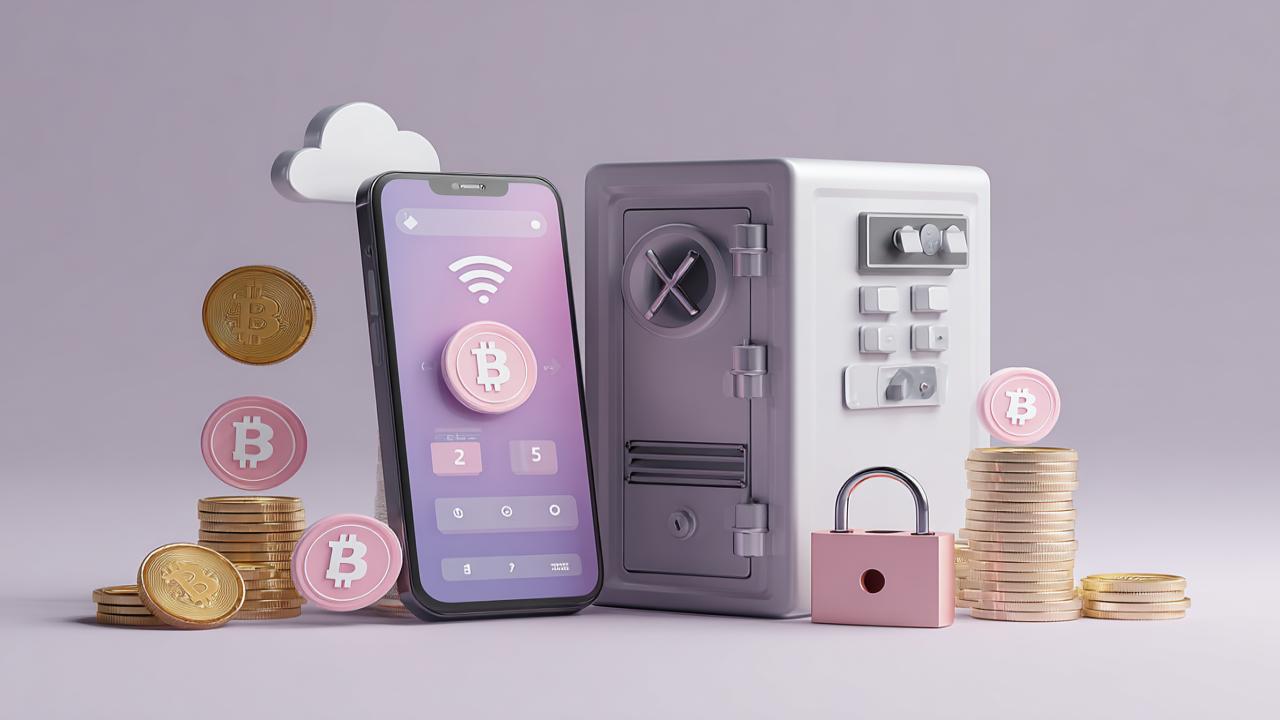
In the ever-evolving world of cryptocurrency, choosing the right type of wallet is crucial for both security and accessibility. As digital assets continue to gain popularity, understanding the distinctions between hot wallets and cold wallets becomes essential for every investor. Hot wallets, which are connected to the internet, offer convenience for quick transactions, while cold wallets provide a more secure, offline storage solution. This article will delve into the definitions and features of each type of wallet, outline their key differences, and discuss important security considerations. By the end, you’ll be equipped with the knowledge to determine which wallet best suits your needs for managing your digital assets.
Understanding Hot Wallets
Hot wallets are like your go-to wallet for everyday spending—they’re always connected to the internet, making it super easy to access your digital currencies whenever you need them. Think of them as your digital equivalent of cash in your pocket! They’re perfect for those who are frequently trading or spending their cryptocurrencies, as they allow for quick transactions. However, this convenience does come with a little trade-off in terms of security, so it’s something to keep in mind.
When you hear the term “hot wallet,” it generally refers to a few different types of wallets. Some common ones include mobile wallets, web wallets, and desktop wallets. Each of these options allows you to store your private keys—essentially the passwords to your crypto funds—while keeping you connected to the blockchain. This constant internet connectivity means you can interact with your assets in real time, which is pretty handy!
So, how exactly do hot wallets work? Well, they store your private keys that manage your cryptocurrency. When you want to make a transaction, these wallets sign and verify it securely on the blockchain network, allowing for a seamless exchange of assets. Just remember, since they are always online, hot wallets are often considered a temporary storage solution. It’s like having a small amount of cash handy while keeping the bulk of your savings tucked away safely in a bank.
For daily transactions and trading, hot wallets are a solid choice. They’re software-based, which means you can easily download them on your smartphone or computer. That said, always be cautious about how you use them and make sure to keep your software up to date for the best security practices. In the end, hot wallets are all about balancing convenience and security, so think of them as a handy tool in your crypto toolkit!
“In my extensive experience navigating the world of digital currencies, I’ve seen that hot wallets are indispensable for immediate access and quick transactions. They serve as the frontline of everyday cryptocurrency management, akin to carrying cash for spontaneous needs. However, I always emphasize the importance of vigilance; the convenience of hot wallets comes with inherent risks that cannot be ignored. Each time I access my wallet, I take a moment to evaluate my security measures and ensure my software is up to date. Users must remember that while hot wallets facilitate fluid exchanges, they should never hold more than a fraction of one’s assets. I advise my clients to adopt a tiered approach—utilizing hot wallets for operational purposes while securing the majority of their holdings in cold storage. This balance is crucial in mitigating risks. Trust in technology is essential, but it should be paired with a healthy dose of skepticism and caution. In the ever-evolving landscape of cryptocurrency, remaining informed is your best shield against potential threats.”
Understanding Cold Wallets
So, let’s dive into cold wallets. Think of a cold wallet as a vault for your cryptocurrency that keeps everything locked away from the internet. This type of wallet, sometimes called offline storage or cold storage, allows you to hold onto your digital assets while keeping them safe from prying eyes and hackers.
What’s cool about cold wallets is that they let you maintain full control over your private keys. When you store your cryptocurrencies offline, you’re basically taking them out of the digital world, making them much harder for cyber criminals to access. It’s like having cash in a safe rather than in your wallet.
There are a couple of popular examples of cold wallets you might come across: hardware wallets and paper wallets. A hardware wallet is a little device that you physically hold onto, while a paper wallet is just that—paper with your private keys written down. Both of these options require your physical presence to access, which adds an extra layer of security.
The most common type of cold wallet out there is the hardware wallet. These gadgets are designed specifically for secure, long-term storage of cryptocurrencies. They keep your coins safe from the digital world and are less susceptible to any hacking attempts.
Another thing to note is that cold wallets sign transactions offline. This means that they never sign smart contract approvals or anything that could potentially expose your keys to the internet. It’s like having a security guard at the door, ensuring that only the right transactions go through.
Overall, using a cold wallet is a great way to protect your investments, especially if you’re holding onto cryptocurrencies for the long haul. Just remember, while they’re super secure, you need to take good care of them since losing a hardware wallet or paper wallet can mean losing access to your assets altogether!
Key Differences Between Hot and Cold Wallets
When diving into the world of cryptocurrency, one of the first things you’ll notice is the debate between hot wallets and cold wallets. So, what’s the big difference? Well, let’s break it down in a way that’s easy to understand.
First off, hot wallets are all about convenience. They’re like your go-to wallet when you want to make quick transactions or frequently trade cryptocurrencies. Because they’re always connected to the internet, they’re super easy to access, making your buying and selling a breeze.
On the flip side, cold wallets are the security champions of the crypto world. They’re designed for those who are in it for the long haul. By being offline, cold wallets keep your assets safe from cyber threats, so you can rest easy knowing your investment is secure.
It’s also worth noting that while hot wallets are software-based and live online, cold wallets are typically hardware devices that store your crypto keys offline. This means that while you can access your hot wallet in seconds, accessing a cold wallet might take a bit more effort, but it pays off in security.
Speaking of security, cold wallets really shine here. They’re harder to attack due to their offline nature. However, that doesn’t mean they’re foolproof. They can be lost, damaged, or stolen, which adds a layer of inconvenience if you need to access your funds quickly.
So, if you’re someone who loves to trade often and values speed, a hot wallet might be your best bet. But if you’re more focused on securing your assets for the long term, then a cold wallet is definitely the way to go.
In my experience navigating the cryptocurrency landscape, the choice between hot and cold wallets is critical and can significantly impact one’s investment safety. Hot wallets, while convenient for active trading, expose users to risks such as hacking and phishing attacks due to their online nature. Conversely, cold wallets not only provide robust security by storing assets offline but also require diligent management to prevent loss or damage. I have seen many investors overlook the importance of this balance, leading to regrettable losses. It’s essential to assess your trading habits and security priorities when selecting a wallet type. I often advise clients to use both: a hot wallet for everyday transactions and a cold wallet for long-term storage. This dual approach maximizes convenience while maintaining a safety net for your investments. Stay informed about the latest security practices, as the crypto space evolves rapidly, and so do the tactics used by cybercriminals. Ultimately, understanding the nuances between these wallets will empower you to make informed decisions in your crypto journey.
Security Considerations
When it comes to security, the differences between hot wallets and cold wallets are pretty significant. Hot wallets, while super convenient for quick transactions, are also more vulnerable to online attacks and phishing schemes. Just imagine how easy it can be for a hacker to get into an account that’s connected to the internet. It’s a bit like leaving your front door wide open while you’re out for the day!
On the flip side, cold wallets are like your personal safe at home. They’re not connected to the internet, which means they provide a much higher level of security against unauthorized access. This makes them the go-to option for anyone looking to store their crypto assets safely for the long term. You wouldn’t leave your valuables out in plain sight, right? So why would you do that with your digital assets?
However, it’s crucial to understand that no wallet is entirely foolproof. Users should be aware of the risks involved with each option. Hot wallets can be convenient for day-to-day transactions, but if you’re not careful, you might find yourself on the receiving end of a nasty surprise. Think about the potential consequences of losing access to your funds or having them stolen due to a phishing scam.
In short, it’s all about finding the right balance between convenience and security. If you’re using a hot wallet, make sure to keep a close eye on your transactions and be cautious about clicking on links from unknown sources. And if you’re using a cold wallet, remember that while it’s secure, you need to keep it safe from physical threats too, like losing it or having it damaged.
As someone who has navigated the intricate landscape of digital security for over a decade, I firmly believe that understanding the nuances between wallet types is paramount in today’s digital age. Hot wallets offer unparalleled convenience but come at the cost of exposure to potential threats that can compromise your assets. I’ve seen countless individuals fall prey to phishing attacks simply because they underestimated the risks associated with online storage. While cold wallets provide a bastion of security, they are not invulnerable to human error or physical misplacement. It’s essential to treat your digital assets with the same care you would give your most valuable possessions. Establishing a strategy that combines both wallet types can lead to a robust security posture, allowing for seamless transactions while safeguarding your wealth. Continuous education on evolving threats is a must; complacency is a hacker’s best friend. Remember, in the realm of cybersecurity, an ounce of prevention is worth a pound of cure. Your assets deserve your utmost diligence and respect in every transaction.
When to Use a Hot Wallet
If you’re someone who frequently trades or spends cryptocurrency, then a hot wallet might be your best friend. These wallets are all about speed and convenience, making them perfect for quick access to your funds. Imagine you spot a great trading opportunity or want to make a purchase; with a hot wallet, you’re ready to pounce in an instant!
Hot wallets are particularly handy for day-to-day activities. Whether you’re trading on a cryptocurrency exchange, engaging with decentralized applications (dApps), or even making regular payments, a hot wallet has got you covered. It’s like having cash in your pocket instead of having to run to the bank every time you want to buy something.
If you actively trade cryptocurrencies, then using a hot wallet is a no-brainer. You’ll find it incredibly useful for keeping your assets ready for those quick trades. Plus, the majority of hot wallets are free to download, which is always a plus!
However, while they offer great accessibility, it’s important to remember that hot wallets should only be used for transactions. You don’t want to store large amounts of crypto in them, as that could expose you to a higher risk of theft. Think of it this way: keep just enough in your hot wallet for your trading or spending needs, and store the rest in a colder, more secure location.
In short, if you’re looking for flexibility and speed in your crypto dealings, a hot wallet is a solid choice. Just be sure to balance your security with convenience—keep only what you need in your hot wallet!
In my years of experience navigating the cryptocurrency landscape, I’ve come to understand that hot wallets serve as a double-edged sword. While they provide unmatched convenience and speed for transactions, it’s crucial to adopt a mindset of caution. I always advise users to limit the funds held in a hot wallet to only what they plan to actively use. This is akin to carrying just enough cash for your daily expenses while keeping the bulk of your assets secure in a cold storage solution. The ease of access can sometimes lead to complacency, which is a vulnerability in this space. I’ve seen many traders lose significant amounts due to neglecting the security aspects of hot wallets. Always remember that safety should never be an afterthought when dealing with digital assets. Balancing convenience with security is not just smart; it’s essential for maintaining peace of mind in your cryptocurrency journey. Ultimately, a hot wallet is a powerful tool, but like any tool, it requires responsible handling to maximize its benefits.
When to Use a Cold Wallet
If you’re someone who’s in it for the long haul, then cold wallets are your best friends. They’re perfect for investors who plan to hold their cryptocurrency for extended periods and really care about security. Think of it this way: if you won’t be trading your Bitcoin anytime soon, why keep it in a hot wallet that’s constantly connected to the internet?
One of the best times to make the switch to a cold wallet is before your Bitcoin holdings start growing too large. It’s like getting insurance for your stash before it becomes a target. You want to be proactive about security, not reactive, right? By moving your assets to a cold wallet, you can rest easy knowing they’re safe from the online threats that hot wallets face.
Cold wallets are also a fantastic choice if you have a sizable amount of cryptocurrencies. The more you hold, the more you should think about security. Plus, these wallets store your private keys offline, which makes them immune to online attacks. It’s like keeping your valuables in a safe instead of just leaving them on your kitchen table!
So, if you’re a long-term investor or someone who really wants the highest level of security for your crypto, cold wallets should definitely be on your radar. They’re made for those who are in it for the long run and want to maximize security. Just remember, it’s all about protecting your hard-earned assets!
As someone who has navigated the complexities of digital asset management for years, I can firmly state that the choice to use a cold wallet is one of the most critical decisions a cryptocurrency investor can make. The digital landscape is fraught with risks, and securing your investments should always be a top priority. In my experience, I’ve seen too many individuals lose substantial amounts due to complacency with hot wallets. Transitioning to a cold wallet not only protects your assets but also grants peace of mind, allowing you to focus on your investment strategy rather than security concerns. Remember, the goal is to safeguard your wealth, not just grow it. I always advise clients to consider their long-term plans—if you’re not actively trading, there’s no reason to keep your assets online. The proactive approach of using a cold wallet is akin to having a fortified safe for your most valuable treasures. In the world of cryptocurrency, patience is a virtue, and so is caution. Ultimately, it’s about building a robust foundation for your financial future, and cold wallets are an essential part of that strategy.
Choosing the Right Wallet for Your Needs
When it comes to choosing between a hot wallet and a cold wallet, the decision really boils down to your individual preferences and how you plan to use your cryptocurrencies. Think about your investment strategy and how often you’ll be accessing your funds. If you’re someone who trades frequently, a hot wallet might be the best fit for you.
On the flip side, if you’re the type of investor who buys and holds for the long term, then a cold wallet could be more suitable. Cold wallets, being offline, offer a much higher level of security, which is crucial for protecting your assets from potential hacks.
Another thing to consider is your risk tolerance. If you’re comfortable taking some risks for the sake of convenience, a hot wallet could serve you well. But, if you’re more of a cautious investor, leaning towards a cold wallet might offer you peace of mind.
It’s also worth evaluating your cryptocurrency activities. If you’re involved in various transactions regularly, you might want the ease of a hot wallet. However, if most of your crypto is just sitting there, a cold wallet could be the way to go.
Here’s a quick checklist to assess your needs:
- How often will you access your wallet?
- What’s the total value of your cryptocurrency holdings?
- Are you planning to trade often or hold for the long term?
- How comfortable are you with the risk of online threats?
Ultimately, it’s all about finding a balance that works for you. You might even consider using a combination of both wallets for different purposes. That way, you can enjoy the benefits of both worlds while minimizing the risks!

Leave a Reply
You must be logged in to post a comment.